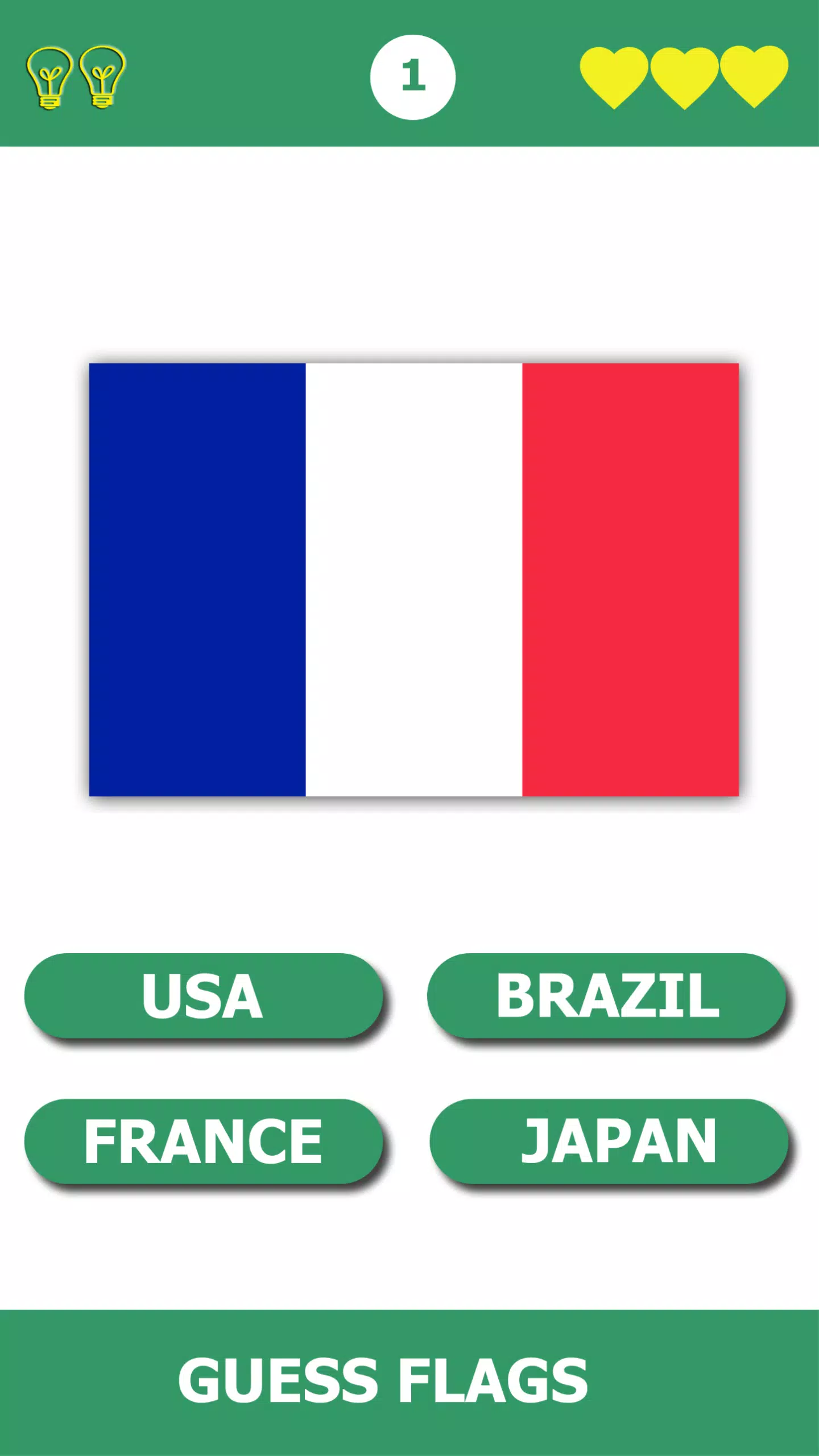
| France |
Blue, White, Red |
The tricolor flag was inspired by the cockade of Paris during the French Revolution. The colors represent liberty (blue), equality (white), and fraternity (red). |
| Japan |
White, Red |
The red circle on a white background symbolizes the sun — Japan is known as "The Land of the Rising Sun." |
| Brazil |
Green, Yellow, Blue, White, Red |
The green represents the forests, yellow for wealth, blue for the sky, white for peace, and the red star for the nation's unity. |
| Germany |
Black, Red, Gold |
These colors were first used in 1818 and became a symbol of democracy and revolution. They’re still used today. |
| Australia |
Blue, White, Red, Gold, Green |
Features the Union Jack (UK), Southern Cross constellation, and Aboriginal and Torres Strait Islander flags — a symbol of national identity. |
| India |
Saffron, White, Green, Blue (Ashoka Chakra) |
The chakra (wheel) in the center has 24 spokes, symbolizing progress and life. Saffron = courage, white = peace, green = faith. |
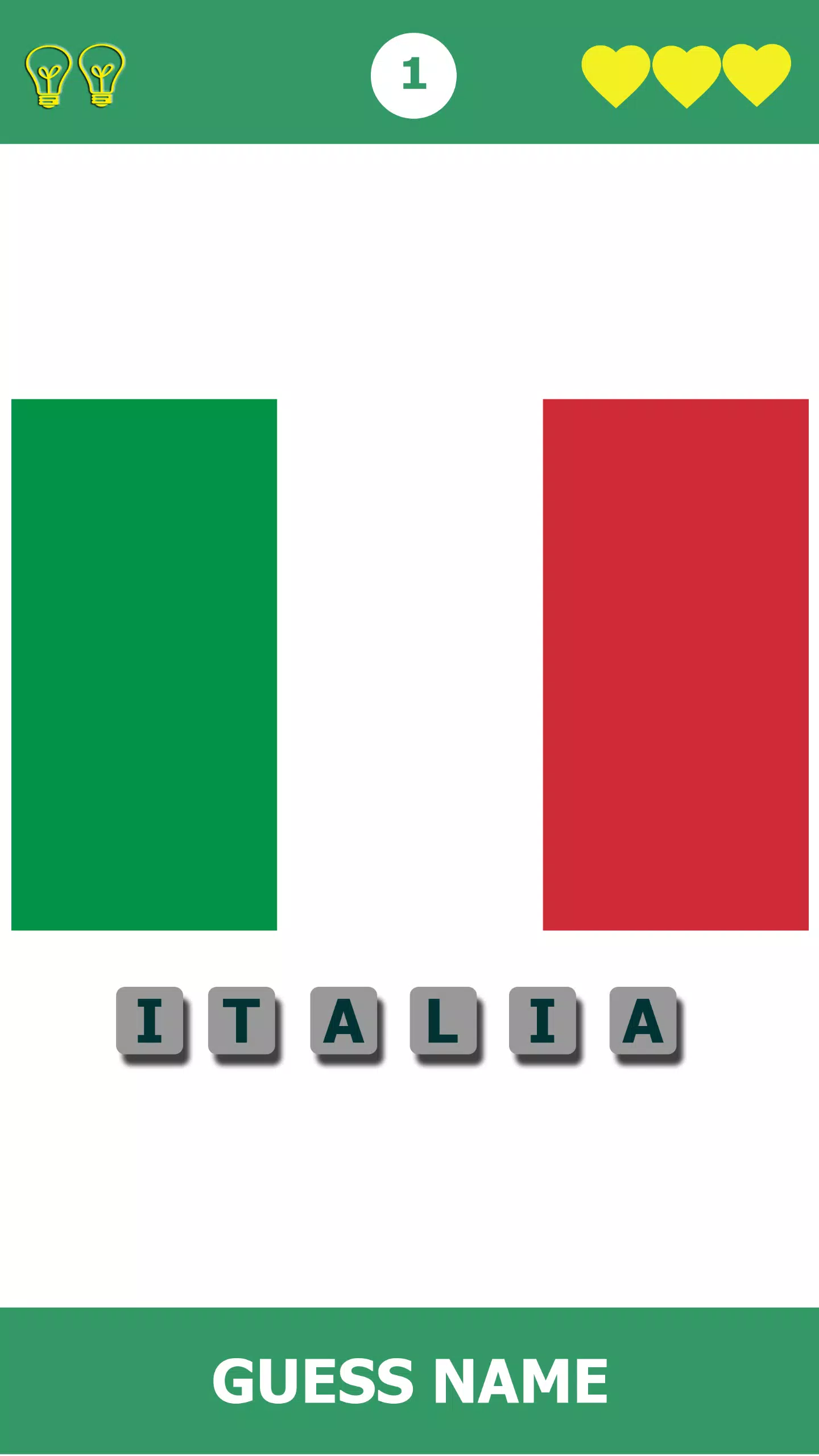
| Italy |
Green, White, Red |
The colors were adopted during the Risorgimento (19th-century unification movement). The order is said to represent the nation’s natural beauty. |
| Mexico |
Green, White, Red |
The eagle, cactus, and serpent on the flag come from Aztec legend about the founding of Tenochtitlán. |
| Kenya |
Black, Red, Green, White, Blue |
The shield and spear represent defense of freedom. The red stripe stands for unity and sacrifice. |
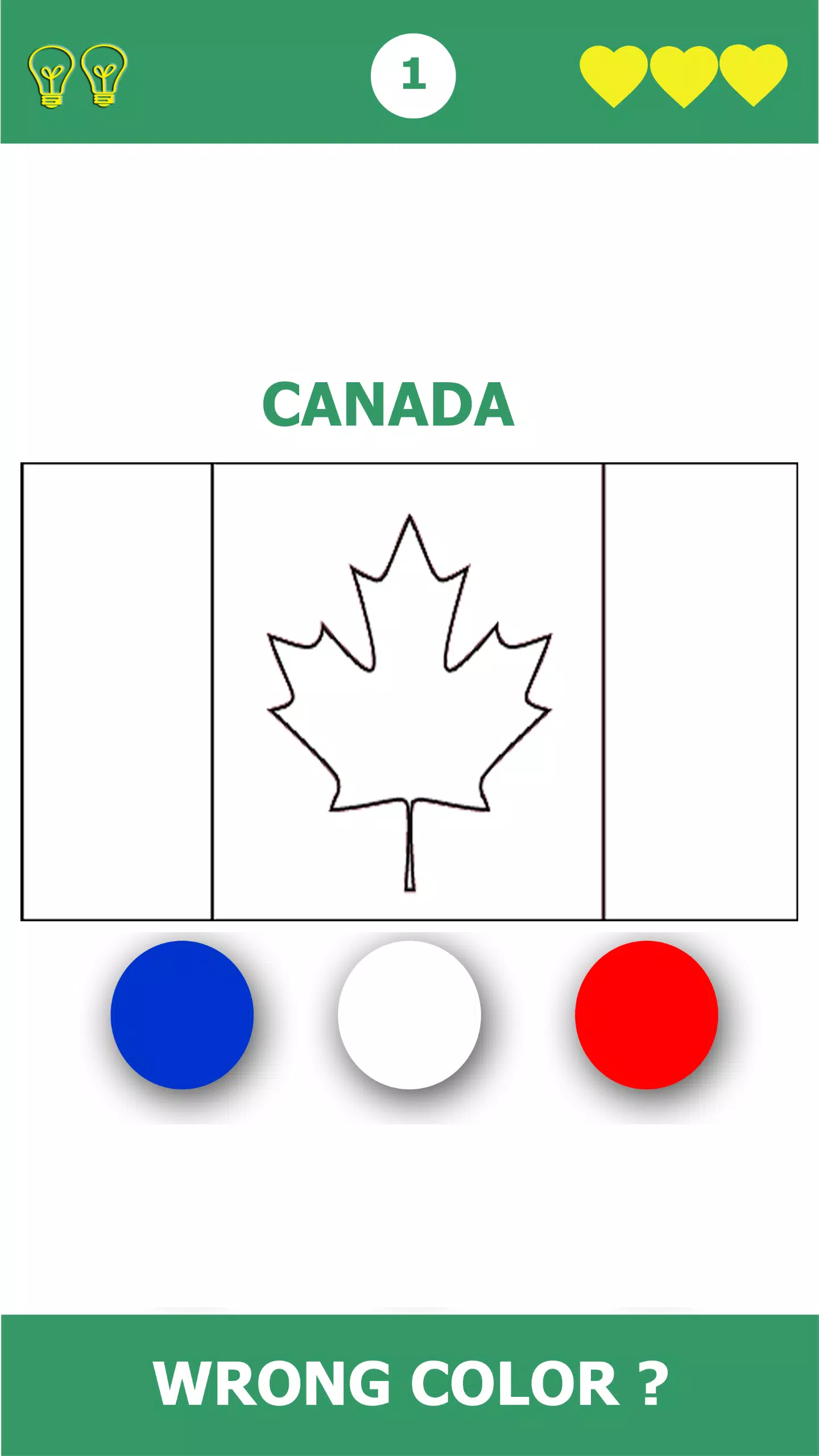
| Canada |
Red, White, Red (with a Maple Leaf) |
The red and white are Canada’s official colors. The maple leaf is a national symbol, appearing on the flag since 1965. |


 Herunterladen
 Anwendungsbeschreibung
  Spiele wie Flag Quiz Gallery