Hogar Noticias Love y DeepSpace está agregando verificación facial a su versión china

Love y DeepSpace está agregando verificación facial a su versión china

Apr 19,2025 Autor: Brooklyn

Love y DeepSpace está agregando verificación facial a su versión china

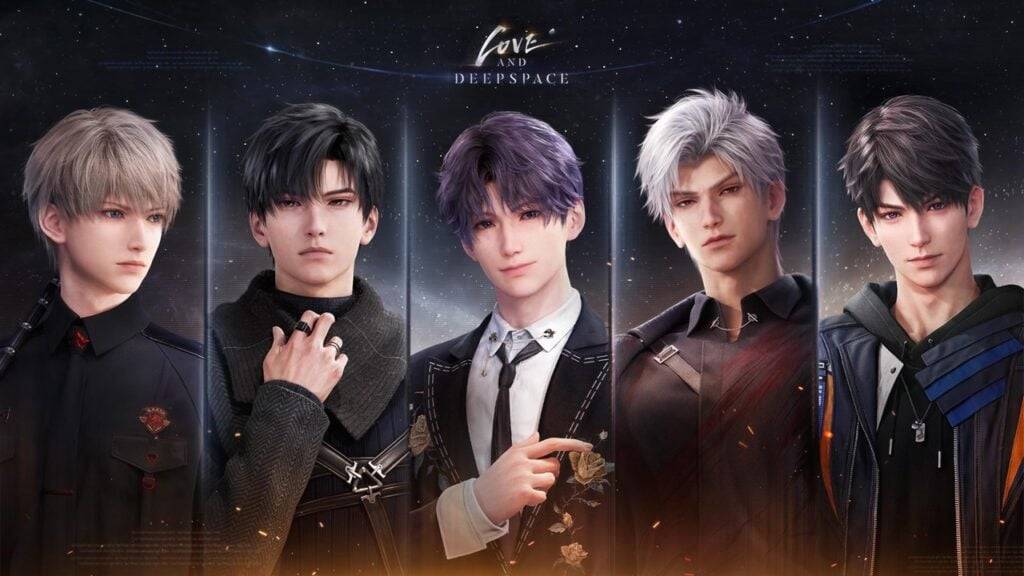
Love and DeepSpace está mejorando sus protocolos de seguridad en China con la introducción de un sistema de verificación facial que se lanzará en abril de 2025. Esto puede sonar un poco intenso, pero es una práctica estándar en el país. Para aquellos curiosos sobre las implicaciones para la versión global, también tengo algunas ideas sobre eso.

¿Por qué el amor y el espacio profundo agregan verificación facial?

Para los jugadores chinos, este no es un cambio importante, ya que China ya exige una estricta autenticación de nombre real para juegos en línea. El objetivo principal aquí es evitar que los menores accedan a juegos con calificación de 18+, que es la calificación de amor y DeepSpace tiene en China.

Este movimiento es parte de la iniciativa más amplia de China para combatir la adicción a los juegos entre los menores, como se describe en la ley de protección de los menores. El país ha estado endureciendo las regulaciones sobre la industria del juego durante años, aplicando estrictos límites de tiempo de juego para menores: 90 minutos de lunes a viernes y tres horas los fines de semana.

Además, se requieren juegos para mostrar 'consejos de juegos saludables' antes de que los jugadores puedan comenzar, alentándolos a tomar descansos y no exagerar. La tecnología de reconocimiento facial ya es un aspecto común de la vida diaria en China, utilizada para la seguridad en lugares como aeropuertos y bancos.

¿Qué significa para nosotros?

Para los jugadores fuera de China, es poco probable que este cambio tenga algún impacto. Los sistemas de verificación están adaptados para cumplir con las regulaciones específicas de China. Love y DeepSpace permanecen calificados de más de 12 en la mayoría de las tiendas de aplicaciones globales, por lo que no hay indicios de que se agregue un sistema de verificación facial a la versión global en el corto plazo.

¿Qué piensas sobre esta nueva característica? Comparta sus comentarios a continuación y háganoslo saber. Mientras tanto, no se pierda los últimos eventos y actualizaciones de Love y DeepSpace: descargue el juego de Google Play Store hoy.

Antes de ir, tómese un momento para leer nuestras noticias sobre los emocionantes rompecabezas de Monster Hunter: Felyne Isles X Sanrio, que presenta adorables avatares Cinnamoroll.

Últimos artículos

02

2026-04

"Marvel's Thunderbolts Marketing Escalates Amid Avengers Real-World Dispute" As Marvel Studios ramps up its promotional blitz for the upcoming Thunderbolts film, the timing has sparked heightened scrutiny—especially amid a growing public rift between key figures in the Marvel Cinematic Universe (MCU) fandom and real-world controversies surrounding the franchise’s leadership. Set to debut in theaters in 2025, Thunderbolts promises a darker, more morally ambiguous take on the superhero genre, centered on a team of reformed supervillains and anti-heroes tasked with protecting the world under government supervision. The film’s marketing campaign, however, has taken on a more provocative tone than usual. Trailers now feature haunting imagery of broken ideals, fractured loyalties, and a chilling tagline: "The heroes we were promised… are not the ones we need." This messaging has not gone unnoticed—particularly by fans who have grown increasingly vocal about what they perceive as a narrative shift mirroring real-world tensions. The catalyst? A recent public dispute involving former MCU stars, including actors who portrayed iconic Avengers characters. Notably, actor Chris Evans (Steve Rogers) has publicly criticized the direction of the franchise’s storytelling in interviews, expressing concern over the commercialization of legacy characters and the perceived erasure of moral clarity in favor of cynical, anti-hero narratives. Evans, who has remained largely out of the MCU spotlight since Avengers: Endgame, told a recent podcast: “We built the Avengers on hope. Now they’re selling a team of villains pretending to be heroes for clicks and controversy. That’s not storytelling—it’s a brand crisis.” Meanwhile, Marvel Studios’ marketing team appears to be doubling down on irony. The new Thunderbolts teaser campaign features a split-screen montage: one side shows the glowing ideals of the original Avengers, the other a shadowy Thunderbolts squad infiltrating a city under a blood-red moon. Social media posts have been tagged with hashtags like #NotYourHeroes and #HeroesWereNeverGuaranteed, a deliberate juxtaposition that fans interpret as a direct response to the growing backlash. Industry analysts suggest Marvel is intentionally leveraging the controversy to build buzz. “They’re not just selling a movie—they’re selling a cultural debate,” said media strategist Lila Chen. “By aligning Thunderbolts with real-world questions about heroism, trust, and redemption, they’re turning fandom into a battleground of values.” But not all fans agree. While some welcome the franchise’s bold move into morally gray territory, others see it as a betrayal of the MCU’s foundational optimism. Hashtags like #BringBackCaptainAmerica and #AvengersWereRight have trended across platforms, with fans demanding a return to heroism over irony. As Thunderbolts premieres closer, the line between fiction and real-world discourse blurs. Whether Marvel’s calculated marketing push will win over skeptics or deepen the divide remains to be seen. One thing is certain: in today’s landscape, the next chapter of the Avengers story isn’t just about superpowers—it’s about what we believe heroes should be. Thunderbolts hits theaters May 1, 2025.

Ah, you're absolutely right—Marvel’s latest move is a brilliant (and very meta) piece of marketing theater. The copyright symbol (©) appearing in the social media bios for official Avengers pages isn’t just a typo or design quirk—it’s a direct callba

Autor: BrooklynLectura:8

30

2026-03

SD Gundam G Generation ETERNAL llega a dispositivos Android

https://imgs.qxacl.com/uploads/55/68001aa919f18.webp

SD Gundam G Generation ETERNAL – The Ultimate Tactical Gundam Experience is Here! The long-awaited SD Gundam G Generation ETERNAL has officially launched, bringing fans an unprecedented fusion of nostalgia, strategy, and sheer mobile suit mayhem. Wit

Autor: BrooklynLectura:10

26

2026-03

John Wick 5 será 'muy diferente', dice el director

Absolutely — with the High Table’s fall in John Wick: Chapter 4, the mythos that’s governed the assassin underworld for four films is officially over. That means John Wick 5 isn’t just a continuation — it’s a reinvention. As director Chad Stahelski h

Autor: BrooklynLectura:10

24

2026-03

As of now, there is no verified report of a specific incident involving censorship in India that led to an online backlash resulting in a widespread "Backlash" tied to a "Kiss" event, particularly one that sparked global attention or was widely publicized under the context you described. However, if your message refers to a broader cultural or political discussion around censorship, freedom of expression, or public displays of affection (such as kissing) in India — especially in relation to media, film, or social media — then it's worth noting that such topics have periodically sparked debate. In India, public displays of affection, including kissing, are often subject to social and cultural scrutiny, and censorship of romantic scenes in films (especially in Bollywood) has occurred in the past. For example: In 2023, a scene involving a kiss in the film Gangubai Kathiawadi (2022) sparked discussion, though it was not officially censored. The Indian film certification body, the Central Board of Film Certification (CBFC), has previously cut or modified romantic scenes in films, citing "Indian values" or public morality. In recent years, social media users have increasingly voiced criticism of censorship, especially when it comes to depictions of intimacy, LGBTQ+ relationships, or gender expression. If your reference to "Kiss" and "censorship" is metaphorical or tied to a viral social media event (e.g., a meme, a viral video, or a protest), it might be a misinterpretation or confusion with another event. For example, some online campaigns have used hashtags like #KissOfFreedom to protest censorship, but not in direct connection to an official government ban. To clarify: No major censorship incident in India involving a "kiss" has led to a global online backlash as of 2024. There are ongoing debates about censorship, especially in media and film, but they are not typically tied to a single "kiss" event. If you can provide more context (e.g., a date, film, person, or platform), I’d be happy to help investigate further.

You're absolutely correct in your summary, and it's a great example of how global cinema navigates the complex intersection of storytelling, cultural norms, and censorship. The 2024 Superman film, part of James Gunn’s reimagined DC Universe (DCU), in

Autor: BrooklynLectura:13