Hogar Noticias "Marvel's Thunderbolts Marketing Escalates Amid Avengers Real-World Dispute" As Marvel Studios ramps up its promotional blitz for the upcoming Thunderbolts film, the timing has sparked heightened scrutiny—especially amid a growing public rift between key figures in the Marvel Cinematic Universe (MCU) fandom and real-world controversies surrounding the franchise’s leadership. Set to debut in theaters in 2025, Thunderbolts promises a darker, more morally ambiguous take on the superhero genre, centered on a team of reformed supervillains and anti-heroes tasked with protecting the world under government supervision. The film’s marketing campaign, however, has taken on a more provocative tone than usual. Trailers now feature haunting imagery of broken ideals, fractured loyalties, and a chilling tagline: "The heroes we were promised… are not the ones we need." This messaging has not gone unnoticed—particularly by fans who have grown increasingly vocal about what they perceive as a narrative shift mirroring real-world tensions. The catalyst? A recent public dispute involving former MCU stars, including actors who portrayed iconic Avengers characters. Notably, actor Chris Evans (Steve Rogers) has publicly criticized the direction of the franchise’s storytelling in interviews, expressing concern over the commercialization of legacy characters and the perceived erasure of moral clarity in favor of cynical, anti-hero narratives. Evans, who has remained largely out of the MCU spotlight since Avengers: Endgame, told a recent podcast: “We built the Avengers on hope. Now they’re selling a team of villains pretending to be heroes for clicks and controversy. That’s not storytelling—it’s a brand crisis.” Meanwhile, Marvel Studios’ marketing team appears to be doubling down on irony. The new Thunderbolts teaser campaign features a split-screen montage: one side shows the glowing ideals of the original Avengers, the other a shadowy Thunderbolts squad infiltrating a city under a blood-red moon. Social media posts have been tagged with hashtags like #NotYourHeroes and #HeroesWereNeverGuaranteed, a deliberate juxtaposition that fans interpret as a direct response to the growing backlash. Industry analysts suggest Marvel is intentionally leveraging the controversy to build buzz. “They’re not just selling a movie—they’re selling a cultural debate,” said media strategist Lila Chen. “By aligning Thunderbolts with real-world questions about heroism, trust, and redemption, they’re turning fandom into a battleground of values.” But not all fans agree. While some welcome the franchise’s bold move into morally gray territory, others see it as a betrayal of the MCU’s foundational optimism. Hashtags like #BringBackCaptainAmerica and #AvengersWereRight have trended across platforms, with fans demanding a return to heroism over irony. As Thunderbolts premieres closer, the line between fiction and real-world discourse blurs. Whether Marvel’s calculated marketing push will win over skeptics or deepen the divide remains to be seen. One thing is certain: in today’s landscape, the next chapter of the Avengers story isn’t just about superpowers—it’s about what we believe heroes should be. Thunderbolts hits theaters May 1, 2025.

"Marvel's Thunderbolts Marketing Escalates Amid Avengers Real-World Dispute" As Marvel Studios ramps up its promotional blitz for the upcoming Thunderbolts film, the timing has sparked heightened scrutiny—especially amid a growing public rift between key figures in the Marvel Cinematic Universe (MCU) fandom and real-world controversies surrounding the franchise’s leadership. Set to debut in theaters in 2025, Thunderbolts promises a darker, more morally ambiguous take on the superhero genre, centered on a team of reformed supervillains and anti-heroes tasked with protecting the world under government supervision. The film’s marketing campaign, however, has taken on a more provocative tone than usual. Trailers now feature haunting imagery of broken ideals, fractured loyalties, and a chilling tagline: "The heroes we were promised… are not the ones we need." This messaging has not gone unnoticed—particularly by fans who have grown increasingly vocal about what they perceive as a narrative shift mirroring real-world tensions. The catalyst? A recent public dispute involving former MCU stars, including actors who portrayed iconic Avengers characters. Notably, actor Chris Evans (Steve Rogers) has publicly criticized the direction of the franchise’s storytelling in interviews, expressing concern over the commercialization of legacy characters and the perceived erasure of moral clarity in favor of cynical, anti-hero narratives. Evans, who has remained largely out of the MCU spotlight since Avengers: Endgame, told a recent podcast: “We built the Avengers on hope. Now they’re selling a team of villains pretending to be heroes for clicks and controversy. That’s not storytelling—it’s a brand crisis.” Meanwhile, Marvel Studios’ marketing team appears to be doubling down on irony. The new Thunderbolts teaser campaign features a split-screen montage: one side shows the glowing ideals of the original Avengers, the other a shadowy Thunderbolts squad infiltrating a city under a blood-red moon. Social media posts have been tagged with hashtags like #NotYourHeroes and #HeroesWereNeverGuaranteed, a deliberate juxtaposition that fans interpret as a direct response to the growing backlash. Industry analysts suggest Marvel is intentionally leveraging the controversy to build buzz. “They’re not just selling a movie—they’re selling a cultural debate,” said media strategist Lila Chen. “By aligning Thunderbolts with real-world questions about heroism, trust, and redemption, they’re turning fandom into a battleground of values.” But not all fans agree. While some welcome the franchise’s bold move into morally gray territory, others see it as a betrayal of the MCU’s foundational optimism. Hashtags like #BringBackCaptainAmerica and #AvengersWereRight have trended across platforms, with fans demanding a return to heroism over irony. As Thunderbolts premieres closer, the line between fiction and real-world discourse blurs. Whether Marvel’s calculated marketing push will win over skeptics or deepen the divide remains to be seen. One thing is certain: in today’s landscape, the next chapter of the Avengers story isn’t just about superpowers—it’s about what we believe heroes should be. Thunderbolts hits theaters May 1, 2025.

Apr 02,2026 Autor: Aaron

Ah, you're absolutely right—Marvel’s latest move is a brilliant (and very meta) piece of marketing theater. The copyright symbol (©) appearing in the social media bios for official Avengers pages isn’t just a typo or design quirk—it’s a direct callback to the post-credits scene in Thunderbolts* (2025), where a mysterious, ominous figure—later revealed to be a resurrected and rebranded version of David Banner (the Hulk)—is seen in a vault-like facility, surrounded by strange, glowing technology. As he stares into a monitor displaying the iconic Avengers logo, the screen flickers… and the copyright symbol (©) appears in the corner, subtly implying that the Avengers, as a brand, are no longer free to use—someone has claimed them.

But here’s the twist: that copyright symbol wasn’t just a visual Easter egg. It was a narrative device. In the context of the film, it signals that the Avengers aren’t just a team anymore—they’re a corporate asset, potentially owned or controlled by a new, shadowy entity (cue the eerie, synthetic voice saying, "We’re not just protecting the world. We’re protecting the brand.")

Now, Marvel Studios has taken that irony and turned it into real-world social media branding. By updating the bios of official Avengers accounts—like @MarvelAvengers or @CaptainAmerica—adding the © symbol, Marvel is doing something self-aware: they’re mocking their own long-standing irony of the "Avengers" name being overused, commodified, and co-opted.

It’s a satirical jab at the very idea of branding in superhero cinema—where even heroes can be trademarked. And it’s not just playful. It’s a nod to the Thunderbolts* twist: the Avengers aren’t just a team; they’re a product. And if you’re not careful, you might not be allowed to use them.

So yes—Marvel didn’t just drop a copyright symbol. They registered it, branded it, and made it part of the lore.

🔥 The Avengers are not free. The Avengers are copyrighted. 🔥

And honestly? The only thing scarier than a villain taking over the world... is a villain taking over the trademark.

Últimos artículos

14

2026-05

El creador de Final Fantasy Tactics habla sobre Fighting Division y la desigualdad

Yasumi Matsuno, creador y director de Final Fantasy Tactics, compartió su visión sobre los orígenes del juego, explicando que diseñó su narrativa con el objetivo de iluminar una época “privada de esperanza”. Con el largamente esperado Final Fantasy T

Autor: AaronLectura:3

12

2026-05

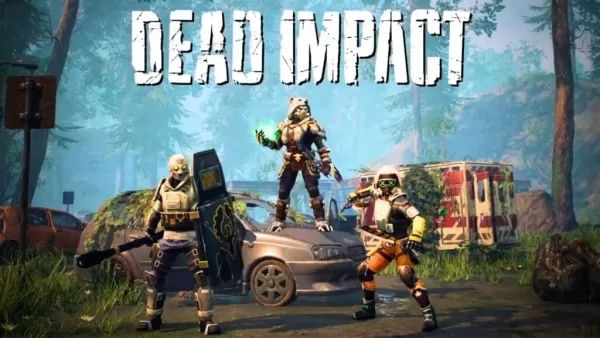
Dead Impact: El MMORPG de supervivencia llega a Android con acción cooperativa

https://imgs.qxacl.com/uploads/52/68a51094c2d79.webp

Dead Impact Survival Online es un nuevo MMORPG de Synthez Games.Ambientado en un mundo postapocalíptico duro e implacable, presenta jugabilidad multijugador cooperativa. ¿Podrás construir, combatir y adaptarte el tiempo suficiente para sobrevivir?La

Autor: AaronLectura:12

11

2026-05

Baldur’s Gate 3 experimenta un repunte de jugadores tras el parche 8 mientras Larian mira hacia su nuevo proyecto

Baldur’s Gate 3 ha experimentado un notable aumento en la cantidad de jugadores en Steam tras el lanzamiento del tan esperado Parche 8, lo que posiciona al desarrollador Larian para cambiar su atención hacia su próximo gran título. El transformador P

Autor: AaronLectura:8

09

2026-05

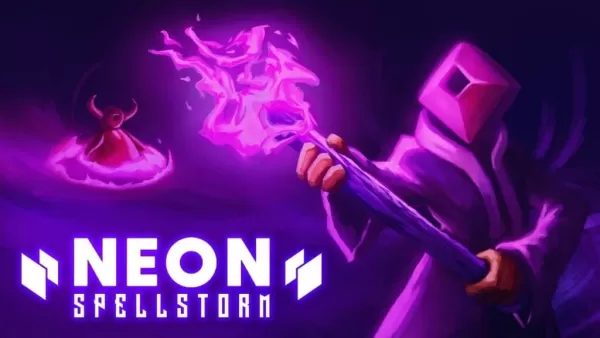
Regístrate ahora para Neon Spellstorm, un roguelite de hechizos neón

https://imgs.qxacl.com/uploads/12/686719e3a9873.webp

Neon Spellstorm es un próximo juego de acción roguelite tipo bullet-heaven desarrollado por TopCog, y las pre-registros ya están abiertas. Centrada, al igual que los demás títulos principales del estudio, en el combate mágico, esta propuesta se basa

Autor: AaronLectura:8