Hogar Noticias Nintendo saca anuncios de la televisión japonesa sobre el escándalo sexual

Nintendo saca anuncios de la televisión japonesa sobre el escándalo sexual

Mar 25,2025 Autor: Ellie

Nintendo saca anuncios de la televisión japonesa sobre el escándalo sexual

Una de las principales redes de televisión de Japón, Fuji TV, ha dejado de transmitir anuncios de Nintendo debido a un escándalo sexual que involucra a Masahiro Nakai, un prominente presentador de televisión y ex líder de la banda SMAP Boy. La controversia estalló en diciembre de 2024 cuando la revista Josei Seven reveló que un empleado de TV de Fuji de alto rango había organizado una cena para colegas. Los informes posteriores de la revista Weekly Bunshun revelaron que solo Nakai y una mujer asistieron a la cena, lo que llevó a acusaciones de agresión sexual contra Nakai. Según los informes, el caso se resolvió fuera de la corte con un acuerdo de 90 millones de yenes, aproximadamente $ 578,000.

En respuesta al escándalo, Fuji TV ha involucrado a abogados independientes para investigar más la situación. Existen crecientes preocupaciones sobre la supuesta práctica tácita de la red de usar presentadoras para entretener a las celebridades, lo que ha intensificado el escrutinio en sus prácticas internas.

La decisión de Nintendo de sacar sus anuncios lo alinea con más de 50 compañías, incluidos gigantes como Toyota y Kao Corporation, que también han dejado de cooperar con Fuji TV. Mientras tanto, Fuji TV reemplazará los anuncios de Nintendo con puntos sociales del Consejo de Publicidad Japón (AC Japón), una organización sin fines de lucro dedicada a mensajes de servicios públicos.

El público japonés ha respondido positivamente a la postura de Nintendo. Muchos usuarios en la plataforma X han expresado su apoyo, expresando la esperanza de que las empresas continúen priorizando las prácticas comerciales éticas en el futuro.

Últimos artículos

15

2026-04

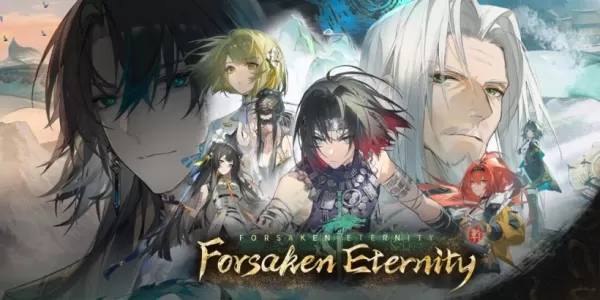
Eterno Abandonado Lanza su Debut en Negra Torre V1.1

https://imgs.qxacl.com/uploads/81/685faf2744666.webp

Los nuevos jugadores pueden reclamar un personaje de 5 estrellas a su elección gratisObtén acceso temprano al nuevo contenido narrativo del juegoConoce a Yuli, el nuevo personaje jugable que se une a la batallaGlohow ha lanzado una actualización impo

Autor: EllieLectura:3

10

2026-04

02

2026-04

"Marvel's Thunderbolts Marketing Escalates Amid Avengers Real-World Dispute" As Marvel Studios ramps up its promotional blitz for the upcoming Thunderbolts film, the timing has sparked heightened scrutiny—especially amid a growing public rift between key figures in the Marvel Cinematic Universe (MCU) fandom and real-world controversies surrounding the franchise’s leadership. Set to debut in theaters in 2025, Thunderbolts promises a darker, more morally ambiguous take on the superhero genre, centered on a team of reformed supervillains and anti-heroes tasked with protecting the world under government supervision. The film’s marketing campaign, however, has taken on a more provocative tone than usual. Trailers now feature haunting imagery of broken ideals, fractured loyalties, and a chilling tagline: "The heroes we were promised… are not the ones we need." This messaging has not gone unnoticed—particularly by fans who have grown increasingly vocal about what they perceive as a narrative shift mirroring real-world tensions. The catalyst? A recent public dispute involving former MCU stars, including actors who portrayed iconic Avengers characters. Notably, actor Chris Evans (Steve Rogers) has publicly criticized the direction of the franchise’s storytelling in interviews, expressing concern over the commercialization of legacy characters and the perceived erasure of moral clarity in favor of cynical, anti-hero narratives. Evans, who has remained largely out of the MCU spotlight since Avengers: Endgame, told a recent podcast: “We built the Avengers on hope. Now they’re selling a team of villains pretending to be heroes for clicks and controversy. That’s not storytelling—it’s a brand crisis.” Meanwhile, Marvel Studios’ marketing team appears to be doubling down on irony. The new Thunderbolts teaser campaign features a split-screen montage: one side shows the glowing ideals of the original Avengers, the other a shadowy Thunderbolts squad infiltrating a city under a blood-red moon. Social media posts have been tagged with hashtags like #NotYourHeroes and #HeroesWereNeverGuaranteed, a deliberate juxtaposition that fans interpret as a direct response to the growing backlash. Industry analysts suggest Marvel is intentionally leveraging the controversy to build buzz. “They’re not just selling a movie—they’re selling a cultural debate,” said media strategist Lila Chen. “By aligning Thunderbolts with real-world questions about heroism, trust, and redemption, they’re turning fandom into a battleground of values.” But not all fans agree. While some welcome the franchise’s bold move into morally gray territory, others see it as a betrayal of the MCU’s foundational optimism. Hashtags like #BringBackCaptainAmerica and #AvengersWereRight have trended across platforms, with fans demanding a return to heroism over irony. As Thunderbolts premieres closer, the line between fiction and real-world discourse blurs. Whether Marvel’s calculated marketing push will win over skeptics or deepen the divide remains to be seen. One thing is certain: in today’s landscape, the next chapter of the Avengers story isn’t just about superpowers—it’s about what we believe heroes should be. Thunderbolts hits theaters May 1, 2025.

Ah, you're absolutely right—Marvel’s latest move is a brilliant (and very meta) piece of marketing theater. The copyright symbol (©) appearing in the social media bios for official Avengers pages isn’t just a typo or design quirk—it’s a direct callba

Autor: EllieLectura:11