El próximo juego de Konami, Silent Hill F, se le ha rechazado la Clasificación (RC) en Australia, lo que significa que no se puede vender en el país en este momento. Esta calificación fue asignada por una herramienta automatizada de la Coalición Internacional de Clasificación de Age (IARC), en lugar de por miembros de la Junta de Clasificación de Australia. Dados precedentes pasados, es poco probable que esta sea la decisión final sobre la clasificación del juego.
Konami no maneja su propia distribución en Australia; IGN se ha comunicado con su compañero de distribución de terceros para hacer comentarios. Las razones específicas para la calificación RC de Silent Hill F aún no se han revelado. Desde la introducción de la categoría R18+ solo para adultos para los juegos en Australia en enero de 2013, los juegos generalmente se rechazan la clasificación solo por el contenido que involucra actividad sexual con una persona que parece tener menos de 18 años, representaciones visuales de violencia sexual o vincular incentivos y recompensas con el uso de drogas. Anteriormente, Silent Hill: Homecoming se rechazó la clasificación en 2008 debido a una escena de tortura de alto impacto, pero esto fue antes de que se introdujera la calificación R18+. Más tarde se lanzó con ángulos de cámara modificados y recibió una calificación MA15+.
Es importante tener en cuenta que la calificación RC de Silent Hill F fue determinada por la herramienta en línea de IARC, que está diseñada para juegos móviles y entregados digitalmente. Esta herramienta implica un cuestionario sobre el contenido del juego, y asigna automáticamente calificaciones basadas en los estándares de los países participantes, incluida Australia. La decisión se publica luego en la base de datos de clasificación nacional de Australia.
En Australia, la herramienta IARC se usa exclusivamente para juegos distribuidos digitalmente, ya que se ha adoptado en 2014 debido a la abrumadora cantidad de juegos lanzados anualmente en plataformas como la tienda de aplicaciones iOS. Ha habido casos en los que las calificaciones automatizadas del IARC han sido más altas que las asignadas por la Junta de Clasificación de Australia. Por ejemplo, en 2019, Juegos como Kingdom Come: Deliverance y We Happy Pocos fueron reportados por error como prohibidos en Australia.
La herramienta IARC es gratuita, lo cual es ventajoso para pequeños editores y desarrolladores. Sin embargo, todos los lanzamientos de juegos físicos aún deben ser calificados por el tablero de clasificación. Si Silent Hill F planea un lanzamiento físico en Australia, deberá presentarse a la Junta de Clasificación, independientemente. La Junta tiene la autoridad para anular cualquier clasificación asignada por IARC si lo considera necesario.
En Australia, los editores de juegos pueden emplear al personal como clasificadores acreditados o asesores autorizados. Los clasificadores acreditados están capacitados por la junta de clasificación y pueden tomar decisiones de clasificación oficial. Los evaluadores autorizados, por otro lado, solo pueden hacer recomendaciones a la junta, lo que luego toma la decisión final.
En este punto, es demasiado pronto para determinar si la calificación RC de Silent Hill F se mantendrá después de una nueva revisión. En particular, Silent Hill F es el primer juego de la serie en recibir una calificación de 18+ en Japón.
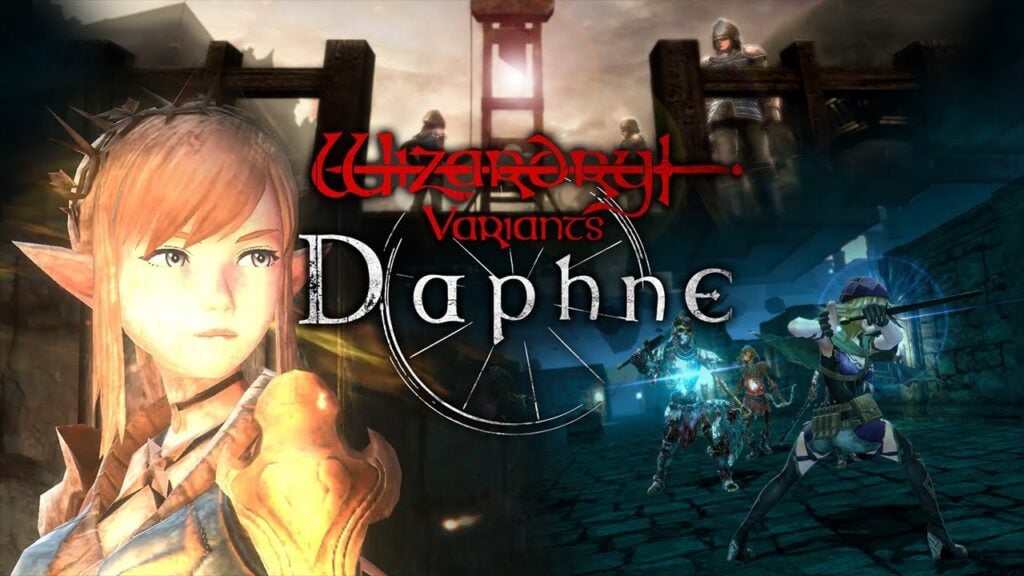
Wizardry Variants Daphne: A Modern Tribute to a Classic RPG Legacy
Drecom’s Wizardry Variants Daphne isn’t just another mobile RPG — it’s a passionate homage to one of the most influential series in gaming history. Since its debut in 1981, Wizardry h
Absolutely—inZOI is shaping up to be a groundbreaking open-world experience, blending rich cultural storytelling with next-gen technology. Here's a refined summary of what makes the game stand out:
inZOI – A Living World Reborn in Unreal Engine 5
Se
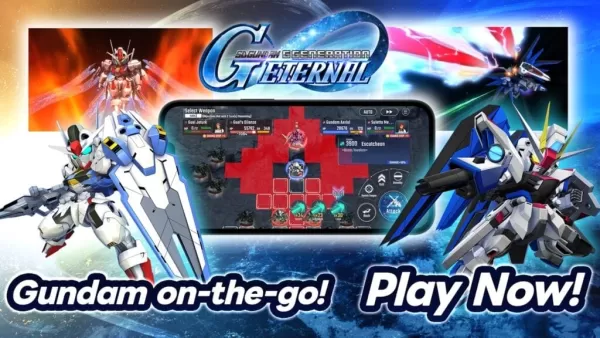
SD Gundam G Generation ETERNAL – The Ultimate Tactical Gundam Experience is Here!
The long-awaited SD Gundam G Generation ETERNAL has officially launched, bringing fans an unprecedented fusion of nostalgia, strategy, and sheer mobile suit mayhem. Wit

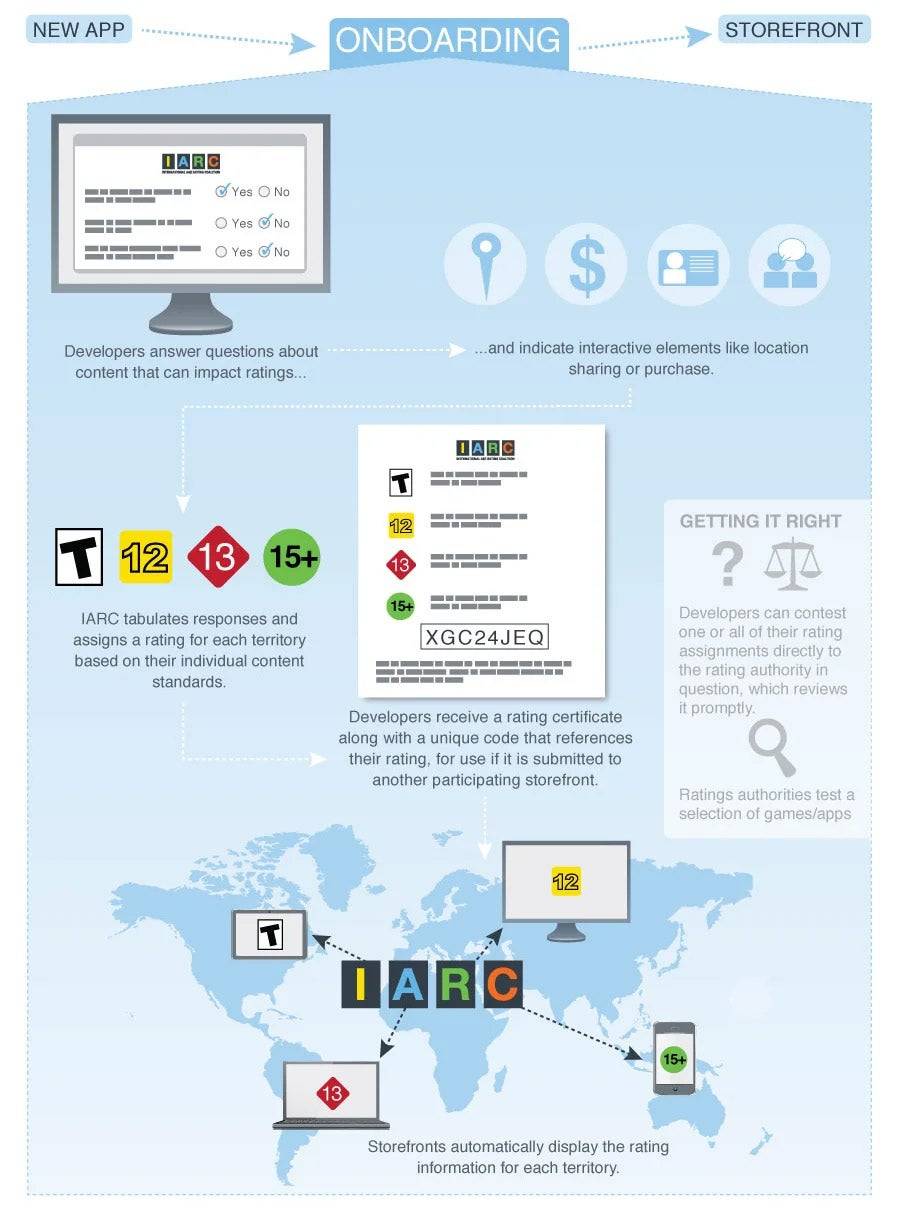 En Australia, la herramienta IARC se usa exclusivamente para juegos distribuidos digitalmente, ya que se ha adoptado en 2014 debido a la abrumadora cantidad de juegos lanzados anualmente en plataformas como la tienda de aplicaciones iOS. Ha habido casos en los que las calificaciones automatizadas del IARC han sido más altas que las asignadas por la Junta de Clasificación de Australia. Por ejemplo, en 2019, Juegos como Kingdom Come: Deliverance y We Happy Pocos fueron reportados por error como prohibidos en Australia.
 Últimos artículos