HomeNewsAsus ROG Ally: TV & Monitor Connection Guide
Asus ROG Ally: TV & Monitor Connection Guide
Mar 14,2025Author: Jonathan
The ROG Ally, a compelling Steam Deck alternative, exploded onto the scene in 2023. Its Windows operating system grants access to an even wider game library. The 2024 ROG Ally X model boasts enhanced internals and improved ergonomics, thanks to better cooling and a more comfortable grip.
While its portability is a key feature, enjoying games on a larger screen is a welcome option. Both ROG Ally models offer external display connectivity for big-screen gaming on TVs or monitors. Below, we detail how to connect your ROG Ally, providing step-by-step instructions and recommendations.
Connecting with an Adapter
Several methods exist for connecting your ROG Ally, but adapters offer a simple, space-saving solution. From compact dongles to direct cables and the official ROG Gaming Charger Dock, numerous options are available.
What You'll Need
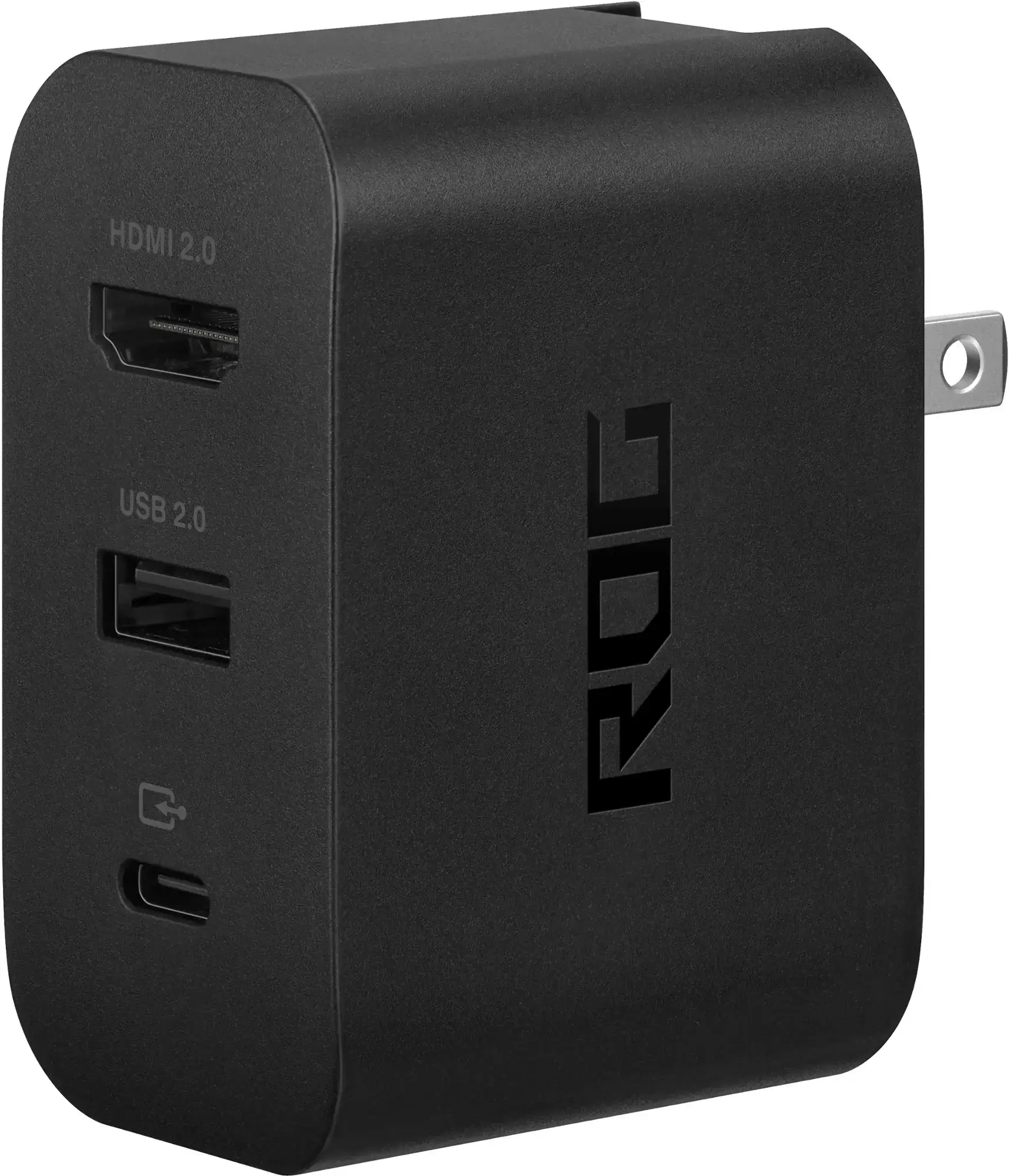
ASUS ROG 65W Charger Dock
This offers a streamlined solution. Supporting HDMI 2.0 with USB Type-A and USB Type-C ports, it's ideal for the ROG Ally. Simply use a USB-C and HDMI cable for connection. The dock also includes a USB-A port for mouse/keyboard connectivity.
Alternatively, a third-party USB-C to HDMI adapter connects directly to the ROG Ally's USB-C port. An HDMI cable then connects the adapter to your TV or monitor. A USB-C to HDMI cable provides a single-cable solution. Some adapters include a passthrough USB-C port for charging; this requires an additional USB-C cable and power adapter.
Step-by-Step Instructions
Plug a USB-C to HDMI adapter (or cable) into the ROG Ally's top USB-C port. For the ROG Gaming Charger Dock, connect a USB-C cable from the Ally to the dock's USB-C port.
Connect an HDMI cable from the adapter (or dock) to your TV or monitor's HDMI port. For a direct USB-C to HDMI cable, connect the HDMI end directly to your TV or monitor.
(Optional) If your adapter has a passthrough USB-C port, connect your ROG Ally's power adapter for charging.
Power on the ROG Ally; it should automatically detect and output the video signal.
Switch your TV or monitor's input to the correct HDMI input.
Connecting with a Docking Station
For a Nintendo Switch-like experience, consider a docking station. While no official ROG Ally dock exists (besides the ROG Gaming Charger Dock), many third-party options are available, offering a stand for your Ally while charging and connecting to your display.
What You'll Need
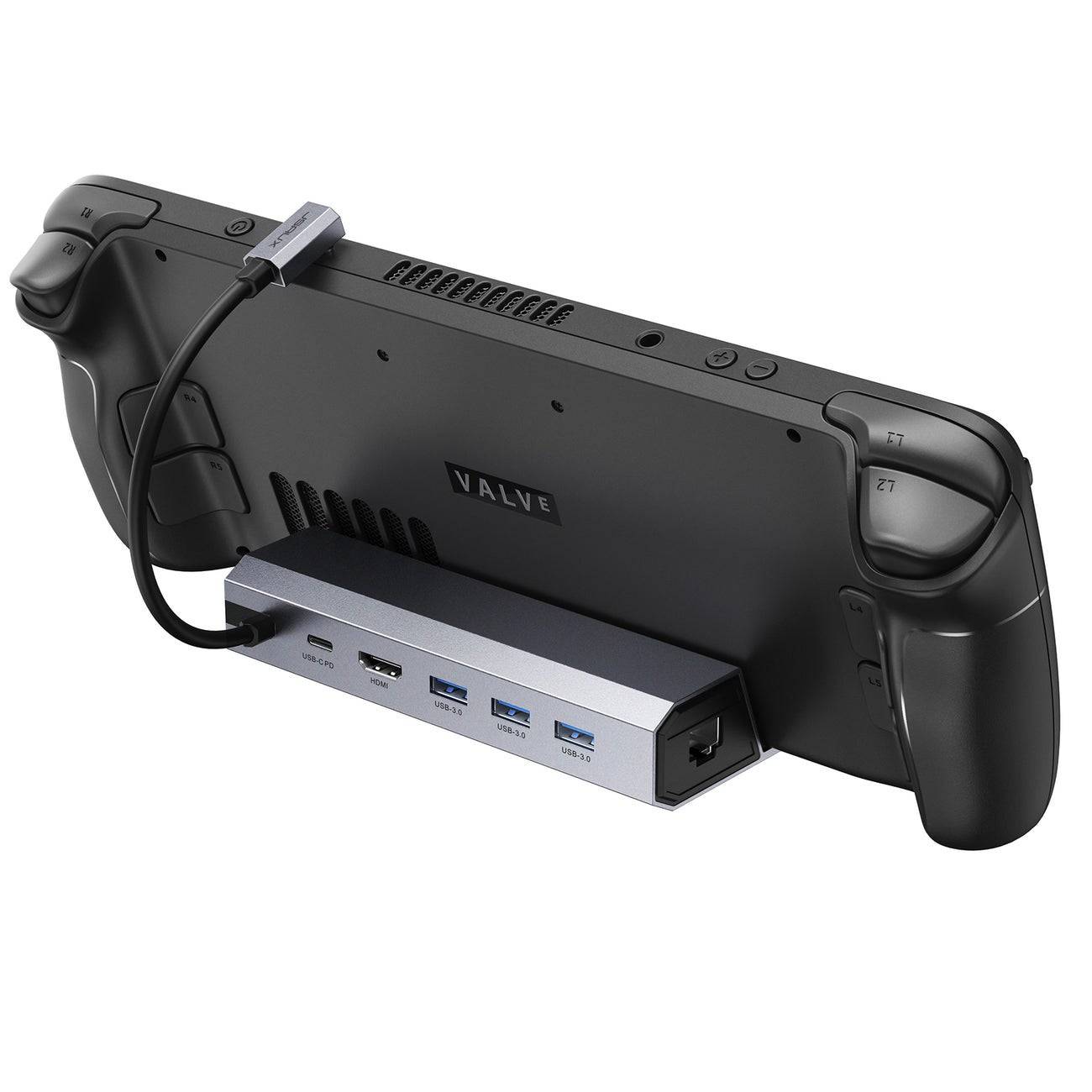
Our Top Pick: JSAUX Docking Station HB0603
This lightweight, compact dock provides 100 watts of power for fast charging and multiple ports, also serving as a stand.
Basic docks typically include an HDMI port and a USB-C passthrough charging port. More advanced docks offer extra USB ports for peripherals, Ethernet for wired internet, SD card slots, and even DisplayPort for additional displays. Smaller, portable docks are ideal for travel.
Step-by-Step Instructions
Place your ROG Ally in the dock.
Connect the USB-C power cord to the Ally's top USB-C port.
Connect your Ally's power adapter to the dock's USB-C charging port.
Connect an HDMI cable from the dock to your TV or monitor's HDMI port.
Power on the ROG Ally; it should automatically detect and output the video signal.
Switch your TV or monitor's input to the correct HDMI input.
You'll Also Need a Controller
While mouse and keyboard connectivity is possible, a wireless controller offers a more comfortable large-screen gaming experience. The ROG Ally supports any Bluetooth-enabled gaming controller. Below are some recommendations:
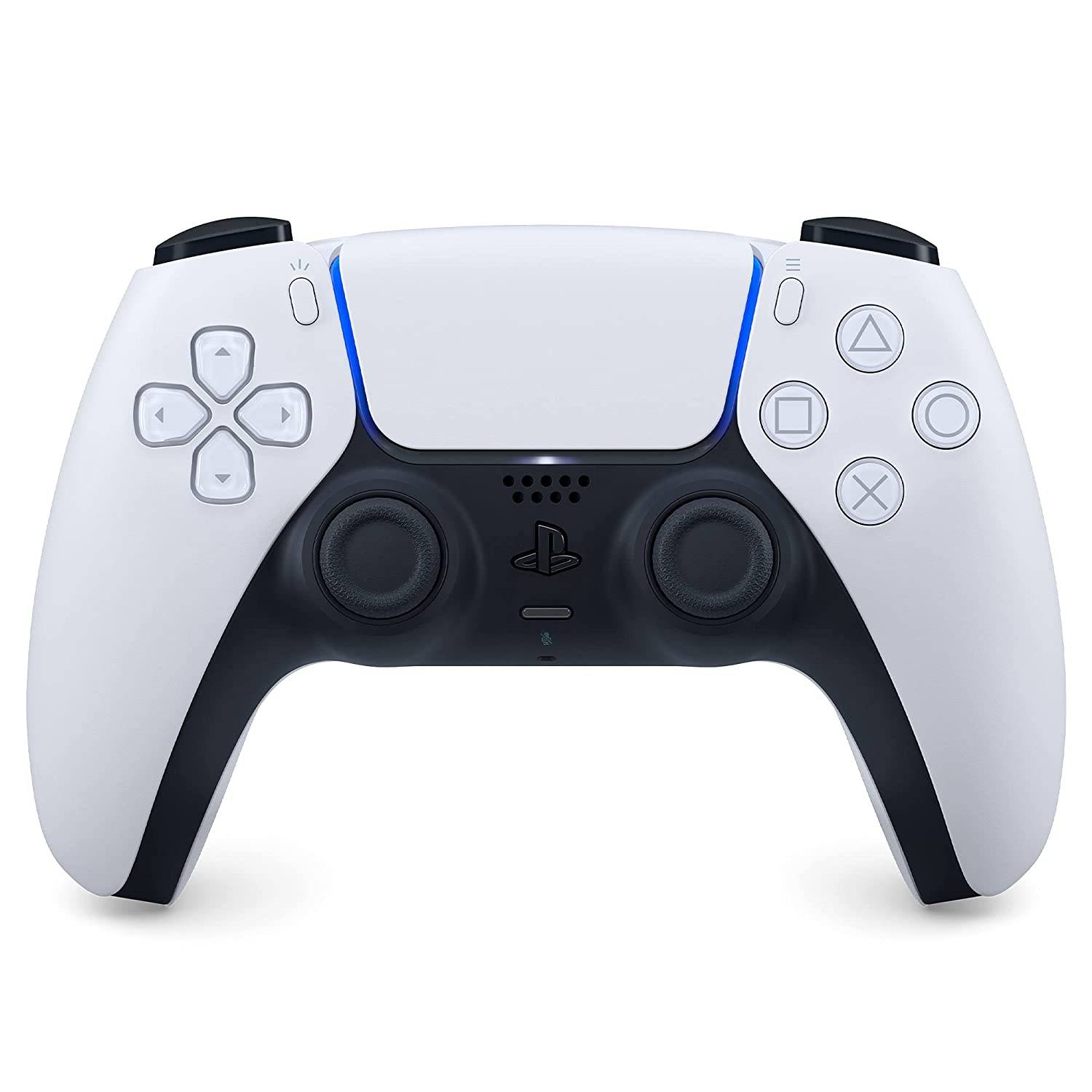
Our Top Pick: Sony DualSense
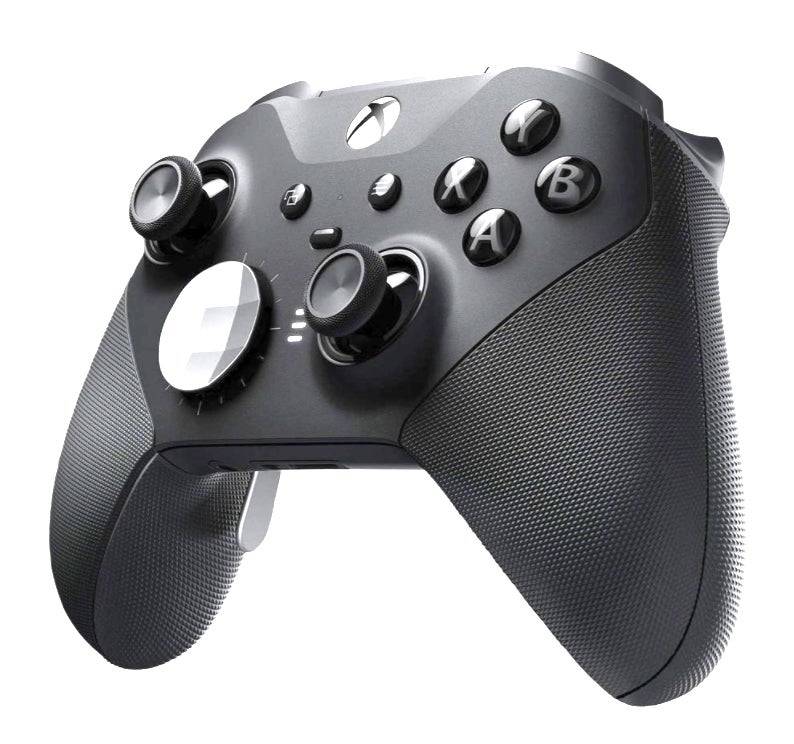
Xbox Elite Series 2 Controller
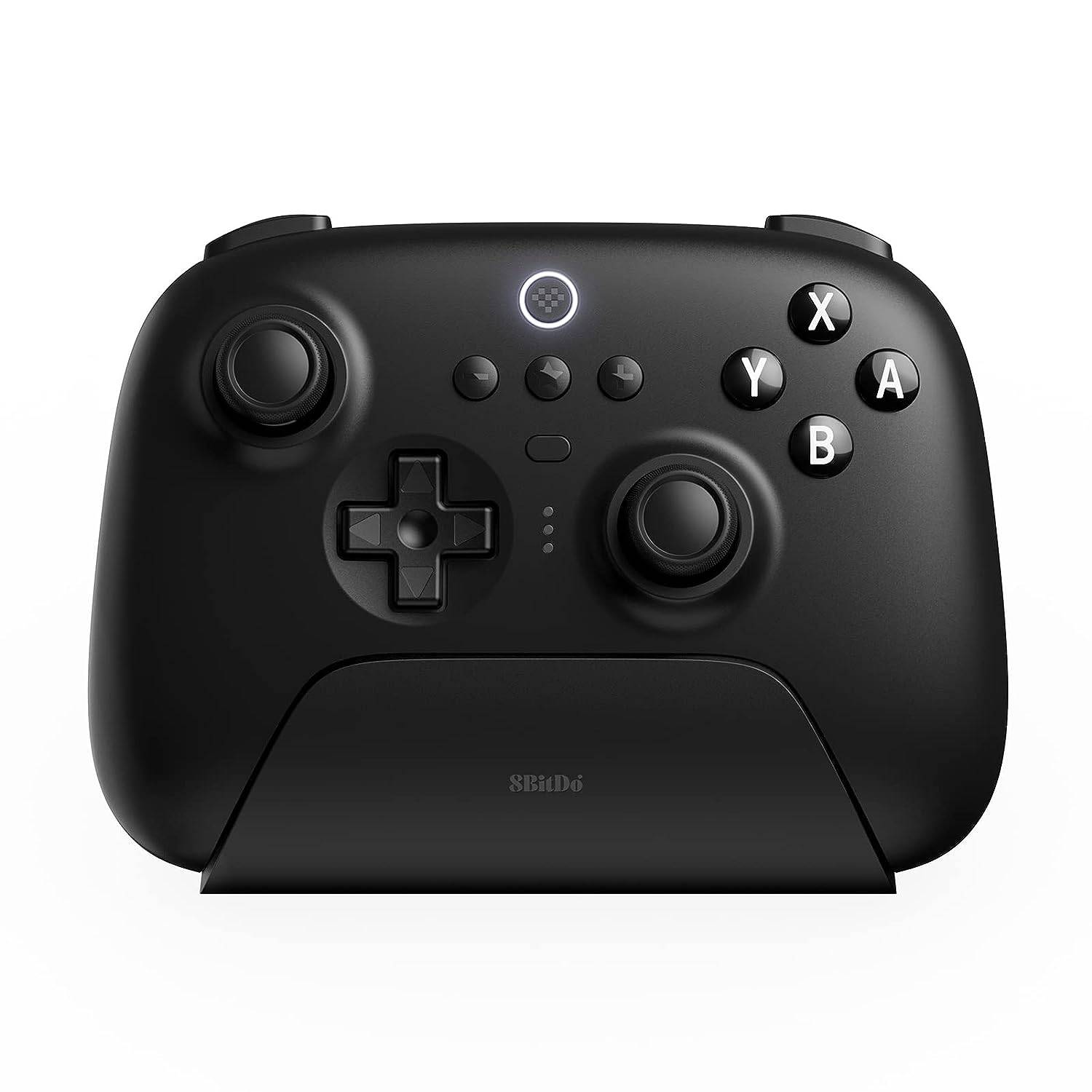
8BitDo Ultimate Controller
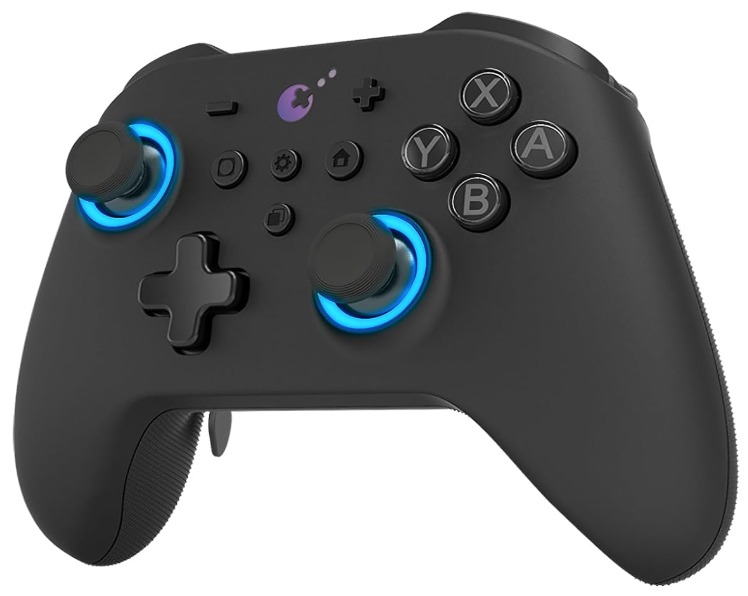
GuliKit KingKong 3 Max Controller
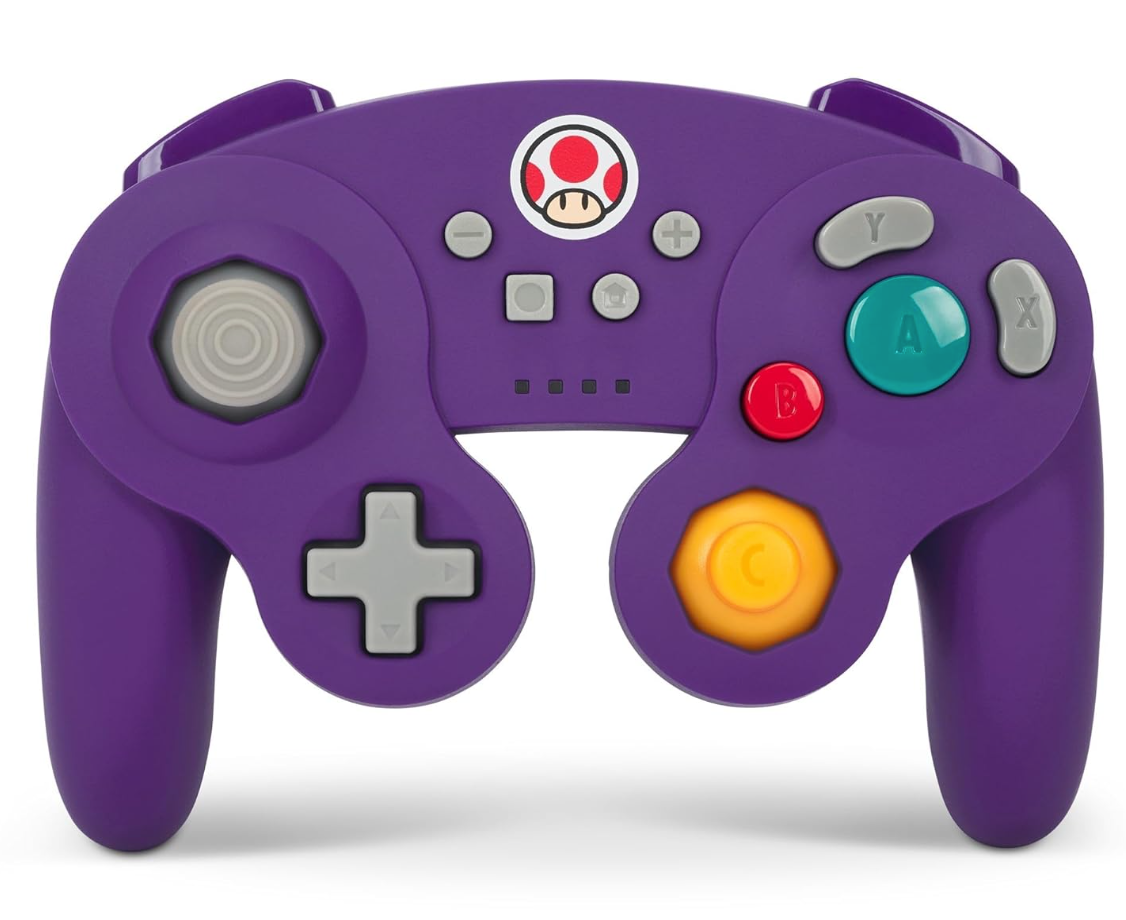
PowerA Wireless GameCube Style Controller
Options include first-party controllers like the DualSense, Xbox Wireless Controller, or Nintendo Switch Pro Controller, as well as numerous third-party choices. Some controllers utilize 2.4GHz wireless connections (with included USB adapters) for lower latency and improved range compared to Bluetooth. Wired USB controllers are also an option for close proximity setups.
Fishing Clash has launched a major in-game event that mirrors the thrilling climax of the 2025 Major League Fishing Bass Pro Tour season. Experience seven days of intense challenges on the waters of Saginaw Bay.Go after the big ones in Fishing Clash
Newcomers can claim a free 5-star character of their preferenceGet early access to the game's newest storylineMeet Yuli, the latest playable character joining the battleGlohow has rolled out a major update for Black Beacon, introducing fresh story co
Drecom has launched its 3D dungeon RPG, Wizardry Variants Daphne, for mobile devices today. The Wizardry series dates back to 1981 and has profoundly shaped many of today's RPGs. It pioneered key features like party management, labyrinth exploration,
The expansive world of inZOI features three distinct locations: Bliss Bay, inspired by San Francisco's coastal charm; Kucingku, infused with Indonesian cultural elements; and Dowon, reflecting South Korea's landmarks—Krafton's home country. Given the

 LATEST ARTICLES