In early April, Nintendo concluded its highly anticipated Switch 2 Direct presentation with an unsettling omission. While showcasing impressive new features and a robust lineup of upcoming games, one critical detail was missing—the console's price tag. Fans' concerns about a steep price increase were soon validated when Nintendo revealed on its newly launched Switch 2 website that the system would retail for $449, a $150 jump from the original Switch's $299 launch price. Frustration over the delayed price announcement blended with worries about the console's potential success, especially after news broke that its flagship launch title, Mario Kart World, would cost $80.
Some longtime Nintendo fans, still haunted by the Wii U's failure, quickly spiraled into pessimism. They argued the Switch 2's premium pricing would shrink its potential audience, potentially dragging Nintendo into another downturn. Why pay $450—comparable to a PS5 or Xbox Series X—for hardware rooted in last-generation technology? These concerns were short-lived, however, as Bloomberg reported the Switch 2 is tracking to become the biggest console launch ever, with projected sales of 6-8 million units. That figure would demolish the current record of 4.5 million jointly held by the PS4 and PS5. Despite the higher cost, demand for the Switch 2 is undeniable—and history shows this outcome was inevitable.
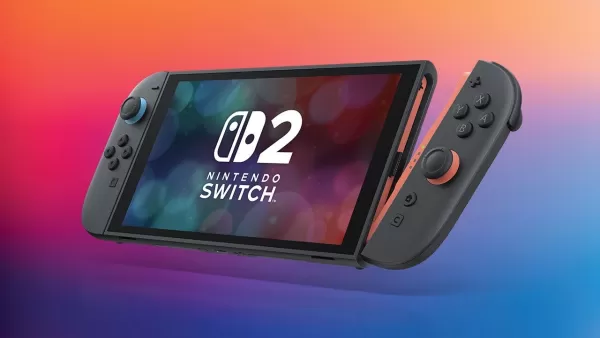 While not cheap, the Switch 2's pricing aligns with competing consoles.
Ironically, Nintendo's past failures reveal why the Switch 2 will succeed. The Virtual Boy, launched 20 years ago, marked the company's sole foray into virtual reality. Though VR's sci-fi appeal endures today, the technology in 1995 was far from consumer-ready—and the Virtual Boy fell notably short of cutting-edge. Compromises abounded: the tabletop unit forced players to hunch over a viewport displaying monochromatic red visuals, while reports of headaches piled up. This wasn't the immersive VR experience gamers imagined, and sales flopped accordingly.
Unlike the Virtual Boy, the Switch 2 draws favorable comparisons to the Wii—a system whose polished motion controls reinvigorated gaming by appealing to mainstream audiences. The Wii's influence persists in modern Nintendo titles like Pikmin and Metroid Prime, proving innovation resonates when executed well. Similarly, the original Switch redefined portable gaming by seamlessly merging handheld and TV play—a beloved feature the Switch 2 enhances with upgraded hardware.
Nintendo isn't alone in creating must-have consoles. Sony's PS2 thrived by doubling as a DVD player in the early 2000s. But when Nintendo nails its formula, the results are undeniable. The original Switch's hybrid design addressed its predecessor's power limitations while introducing transformative flexibility—a vision the Switch 2 refines, proving players still crave Nintendo's unique approach.
Gaming history underscores another critical lesson: revolutionary hardware needs compelling software. The Wii U stumbled not just due to its unconventional tablet controller, but because its games—like the iterative New Super Mario Bros. U—failed to excite. In stark contrast, the Switch 2 launches with both an enhanced classics library and bold reinventions like Mario Kart World's open-world overhaul. Upcoming exclusives, including the first 3D Donkey Kong in decades and a Bloodborne-esque FromSoftware title, give players compelling reasons to upgrade.
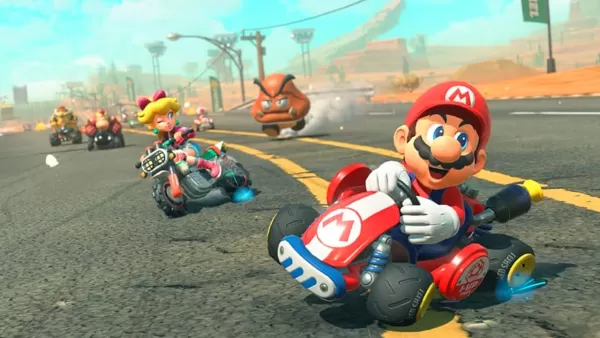 Mario Kart World redefines the series with open-world innovation, far surpassing Mario Kart 8 Deluxe.
Pricing remains a legitimate concern, especially amid global economic pressures. Yet at $449, the Switch 2 matches current market standards—its Mario Kart World bundle parallels the $499 disc-drive PS5, while the Xbox Series X occupies the same bracket. Unlike Sony's $600 PS3 misstep in 2006, Nintendo's pricing reflects 2025's norms rather than breaking them.
Nintendo's enduring appeal lies in delivering unique experiences worth premium prices—yet the Switch 2 doesn't actually command one. Priced competitively alongside powerful rivals, it offers distinct value through hybrid versatility and unmatched exclusives. With over 75 million PS5s sold at similar prices, consumers have shown they'll pay for standout gaming experiences. Unless game prices escalate further, Nintendo's strategy mirrors industry norms while capitalizing on its legendary creativity—a combination poised to make the Switch 2 another landmark success.

 LATEST ARTICLES