CES 2024 showcased a plethora of gaming laptops, revealing key trends shaping the market. This report highlights the most significant developments.
A Diverse Landscape of Designs
While gaming laptops have always offered stylistic variety, this year felt particularly diverse. Manufacturers like Gigabyte and MSI are blurring the lines between productivity and gaming machines, emphasizing aesthetics beyond raw hardware.
This translates to a broader range of designs. Sleek, professional-looking laptops like the Gigabyte Aero series coexist with models like the MSI Titan 18 HX AI Dragonforged Edition, which boldly flaunts its gaming pedigree.
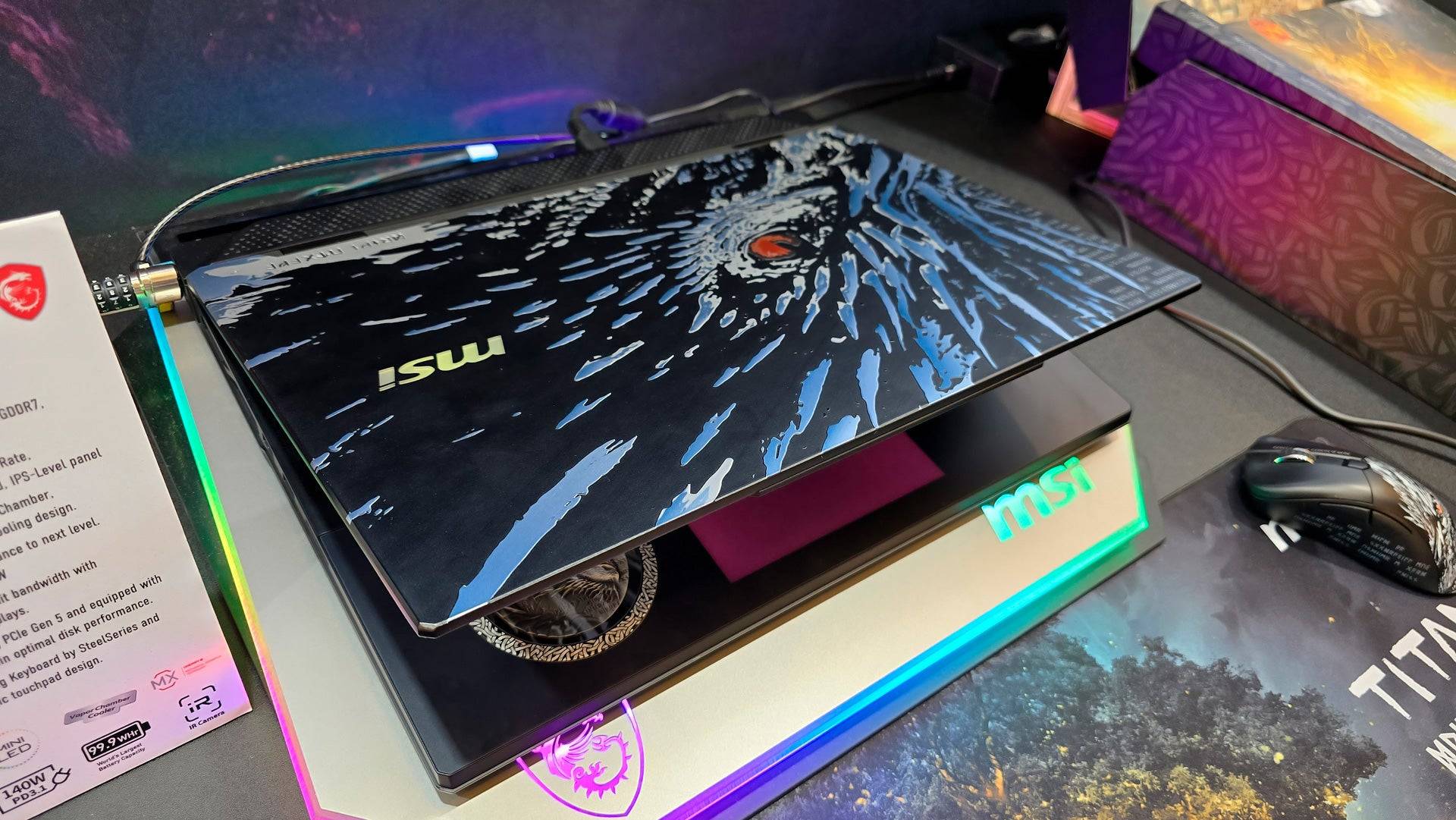 RGB lighting remains a staple, with innovative implementations such as wrap-around lighting, illuminated keyboards, and even trackpad lighting. The Asus ROG Strix Scar series impressed with its AniME Dot Matrix LED display, capable of displaying text and animations.
Expect a continued spectrum of designs, from large and powerful to thin and light, coupled with intriguing new features.
The Rise of AI Assistants
AI integration in laptops advanced significantly. Several vendors demonstrated AI assistants capable of controlling PC settings without manual software intervention.
An MSI representative showcased an AI assistant automatically optimizing performance settings based on the selected game. However, the practical speed advantage over manual adjustments remains to be seen. Further evaluation is needed to assess the true utility and offline capabilities of these systems.
Mini-LED, Rollable Displays, and Other Innovations
Mini-LED technology is gaining traction, with Asus, MSI, and Gigabyte showcasing high-end models. These laptops boast over 1,100 local dimming zones, resulting in superior contrast, brightness, and color accuracy. While OLED still holds an edge in contrast, Mini-LED offers comparable visual quality without the risk of burn-in and higher sustained brightness.
Novelties also emerged. The ASUS ROG Flow X13 returned with USB4 eGPU support, eliminating proprietary connections. Asus demonstrated its compatibility with a new eGPU featuring up to an RTX 5090.
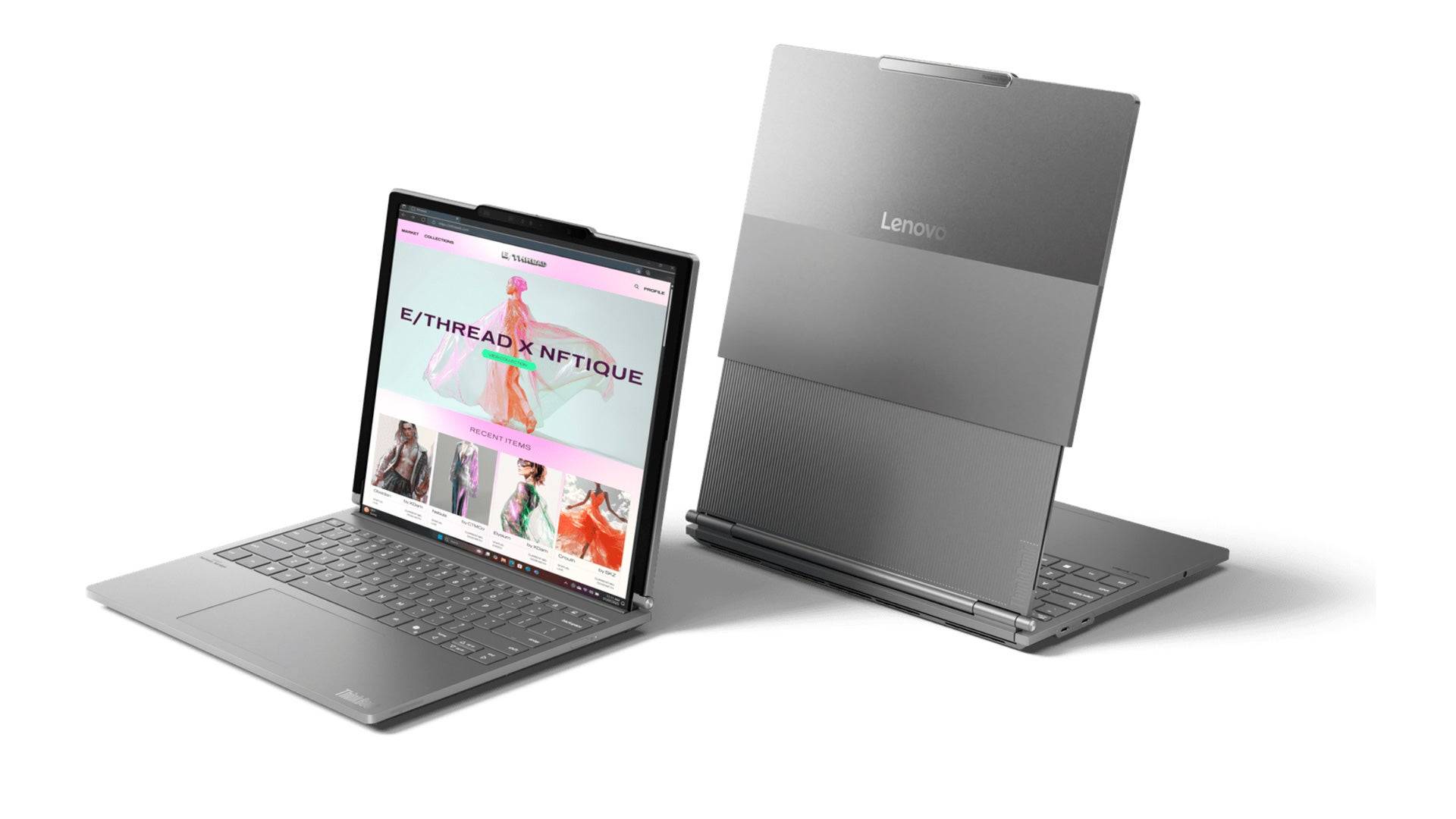 Lenovo's ThinkBook Plus Gen 6 Rollable, although not strictly a gaming laptop, introduced a rollable OLED display, expanding from 14 inches to 16.7 inches. While its initial iteration presents durability concerns, it represents a significant step forward in display technology.
Ultrabooks Gaining Ground in the Gaming Sector
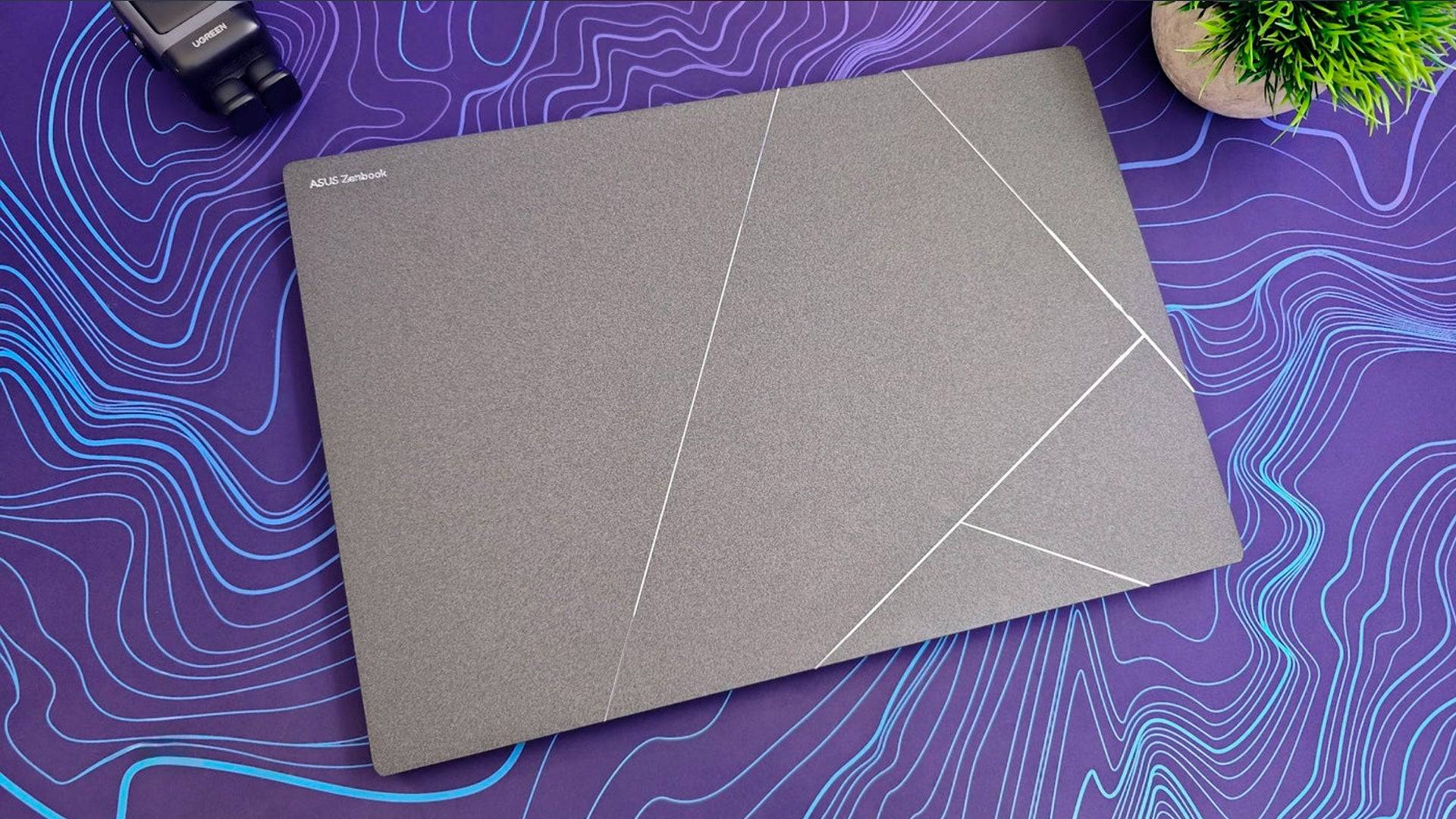
Ultrabook-style gaming laptops are becoming increasingly prevalent. Major manufacturers are adopting this thin, light, and aesthetically minimalist design. Gigabyte's revamped Aero line exemplifies this trend.
These laptops provide a balance between portability and gaming capabilities. They are suitable for users who don't require maximum settings on the latest games. The addition of dedicated graphics cards, as seen in the Asus TUF Gaming A14, further enhances their gaming potential.
 Furthermore, advancements in integrated graphics from AMD and Intel, coupled with features like AMD FidelityFX Super Resolution and Intel XeSS, allow for surprisingly capable gaming performance, potentially reducing the need for low-performance dedicated GPUs like the RTX 4050M. Cloud gaming services like Xbox Cloud Gaming and Nvidia GeForce Now offer additional alternatives.
The future of gaming laptops is brimming with exciting possibilities. The trends highlighted above represent a significant shift in the market, offering diverse choices to cater to a wide range of user needs and preferences.

 LATEST ARTICLES