Hogar Noticias John Carpenter Resuelve el Misterio de 'The Thing' Descifrado por un Fan

John Carpenter Resuelve el Misterio de 'The Thing' Descifrado por un Fan

Feb 10,2026 Autor: Emily

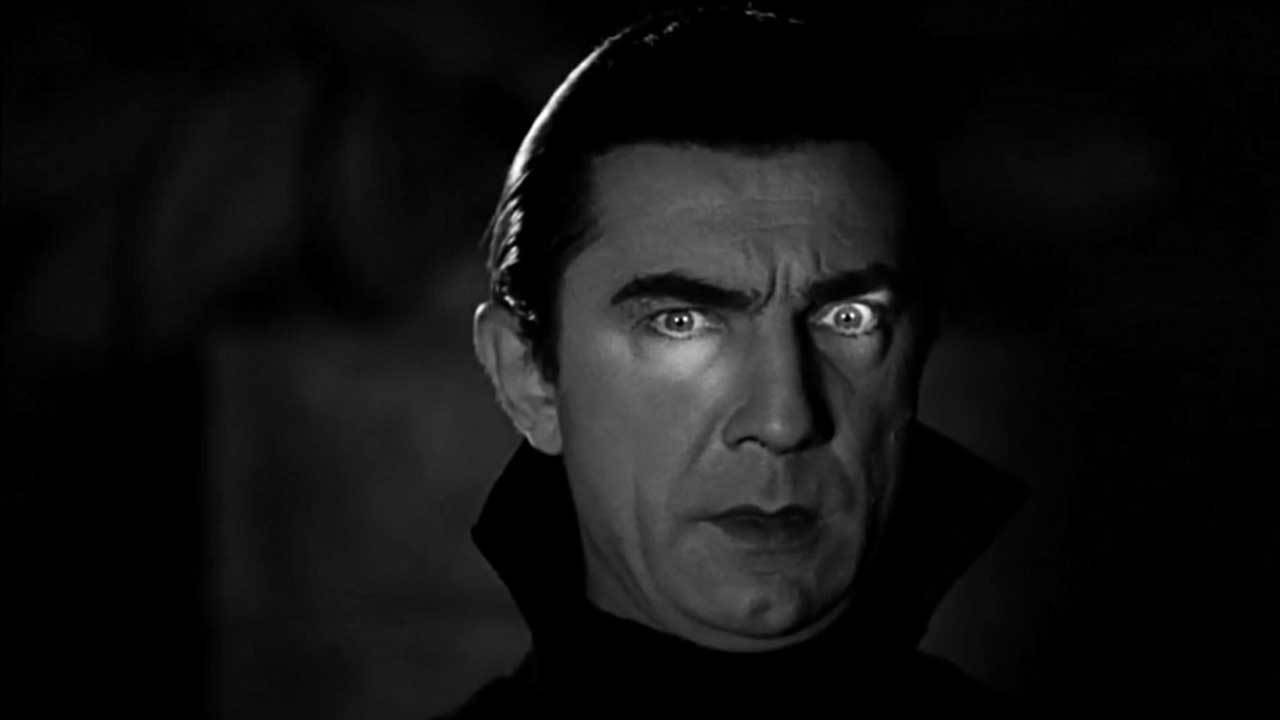
La fascinación perdurable por el clásico de ciencia ficción y terror de 1982 de John Carpenter, *La Cosa*, radica en gran medida en su conclusión ambigua. Durante más de cuatro décadas, los fanáticos han debatido si R.J. MacReady, interpretado por Kurt Russell, o Childs, interpretado por Keith David, se convierte en la criatura homónima en las escenas finales. Carpenter dejó deliberadamente a los espectadores sin una respuesta definitiva —hasta hace poco.

Durante una proyección especial en 4K en el David Geffen Theater de Los Ángeles el 22 de marzo, el maestro del terror le contó al director de *Parásitos* y *Mickey 17*, Bong Joon Ho, que una "pista significativa" oculta en la película revela quién se transforma al final. Agregó en broma que compartiría este secreto con cualquiera dispuesto a enviar una cantidad de dinero no especificada "a mi casa en un sobre".

Carpenter también reveló que incluso los actores no estaban al tanto del resultado final. "No tenían idea", confesó. "Pero tenían que representar humanidad, ¿entiendes? La criatura se replica a la perfección. Podría ser cualquiera de nosotros —incluso alguien en este público— sin forma de distinguirlo. Yo sabía la verdad; ellos no".

Play

Tras la proyección, el cineasta independiente Joe Russo (no el director de MCU) compartió su interpretación a través de X/Twitter. "Creo haber identificado esa pista", anunció Russo.

Russo señaló la escena en la que MacReady descubre que la criatura se replica a nivel celular, lo que significa que los personajes solo deberían consumir artículos que hayan manipulado personalmente. A pesar de esta advertencia, MacReady comparte su whisky con Childs en el final. Aunque esto podría sugerir un descuido, Russo argumenta que indica que MacReady ya es La Cosa. "En el momento en que Childs bebe de esa botella, La Cosa ha prevalecido", explica Russo. "Ha derrotado a la amenaza más escéptica que quedaba".

Lo genial de la película es que termina antes de la confirmación, pero Russo proporcionó evidencia adicional. Señaló que la última línea de MacReady —"¿Por qué no esperamos aquí un rato, a ver qué pasa?"— se vuelve profundamente irónica si él ya se ha transformado. El análisis de Russo también reinterpreta la derrota de la criatura: "¿Presenciaste su destrucción... o viste cómo una imitación superior eliminaba a una inferior para infiltrarse mejor en la sociedad después del rescate?"

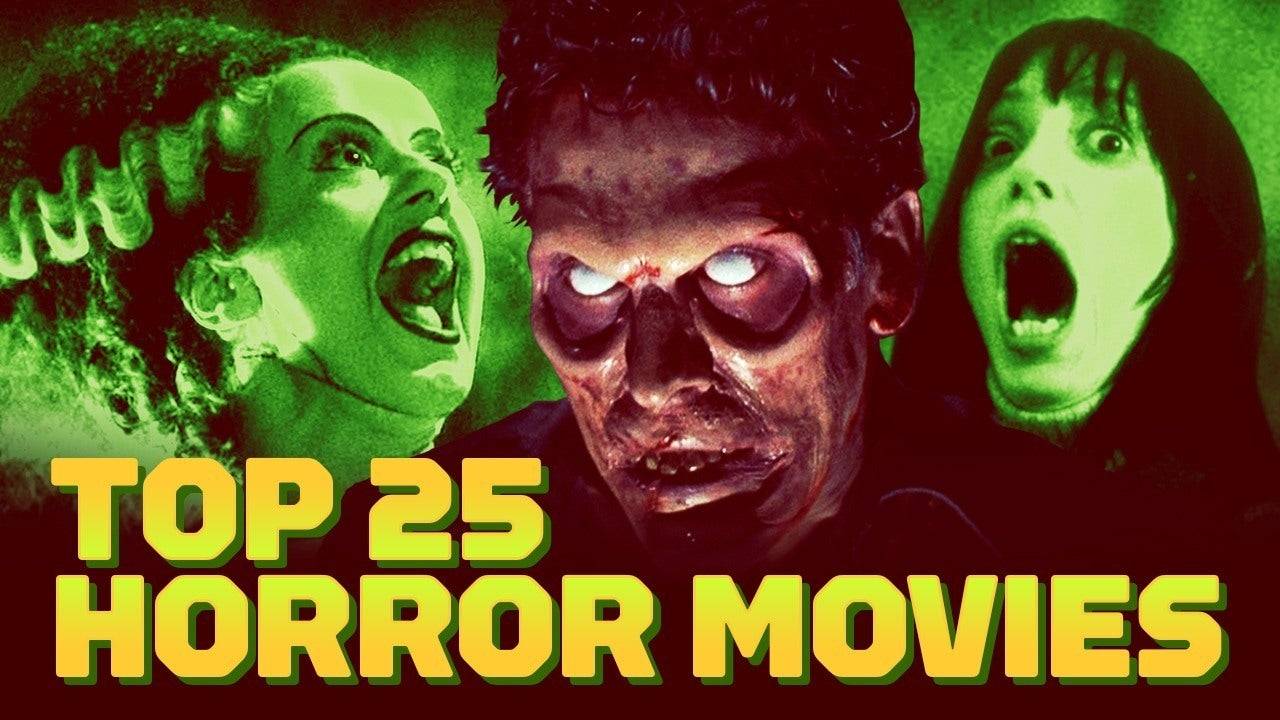
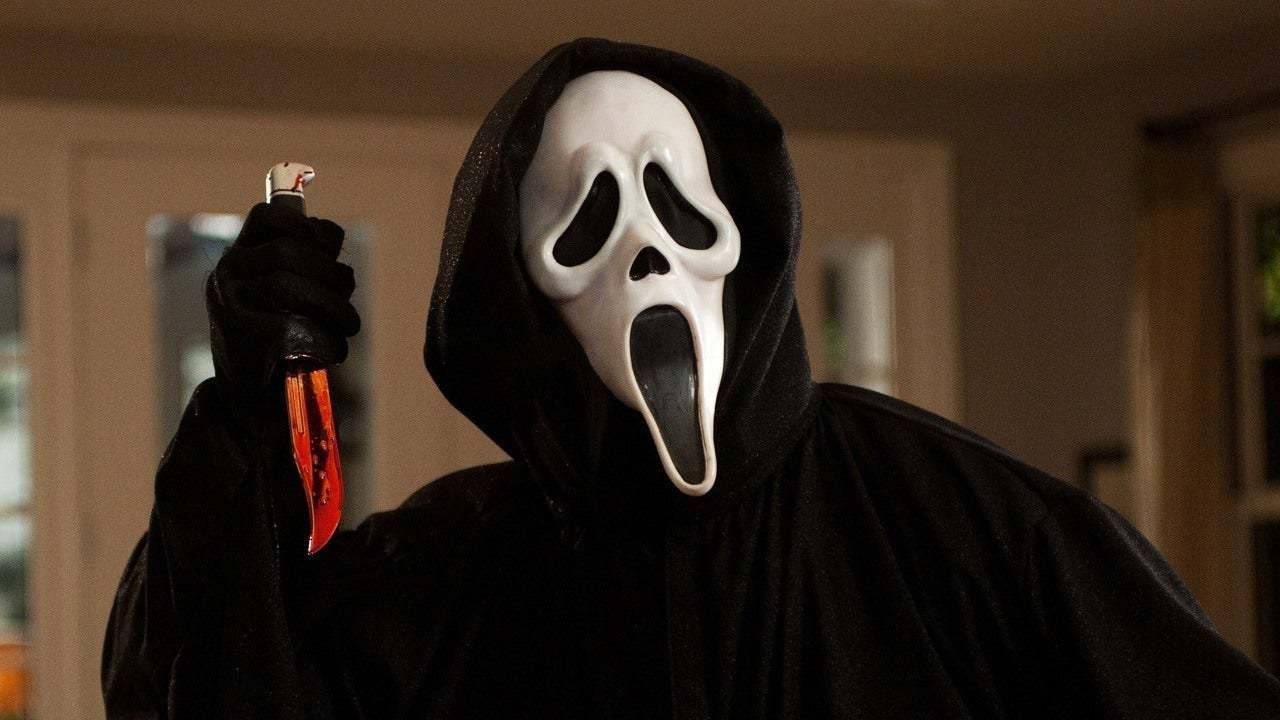
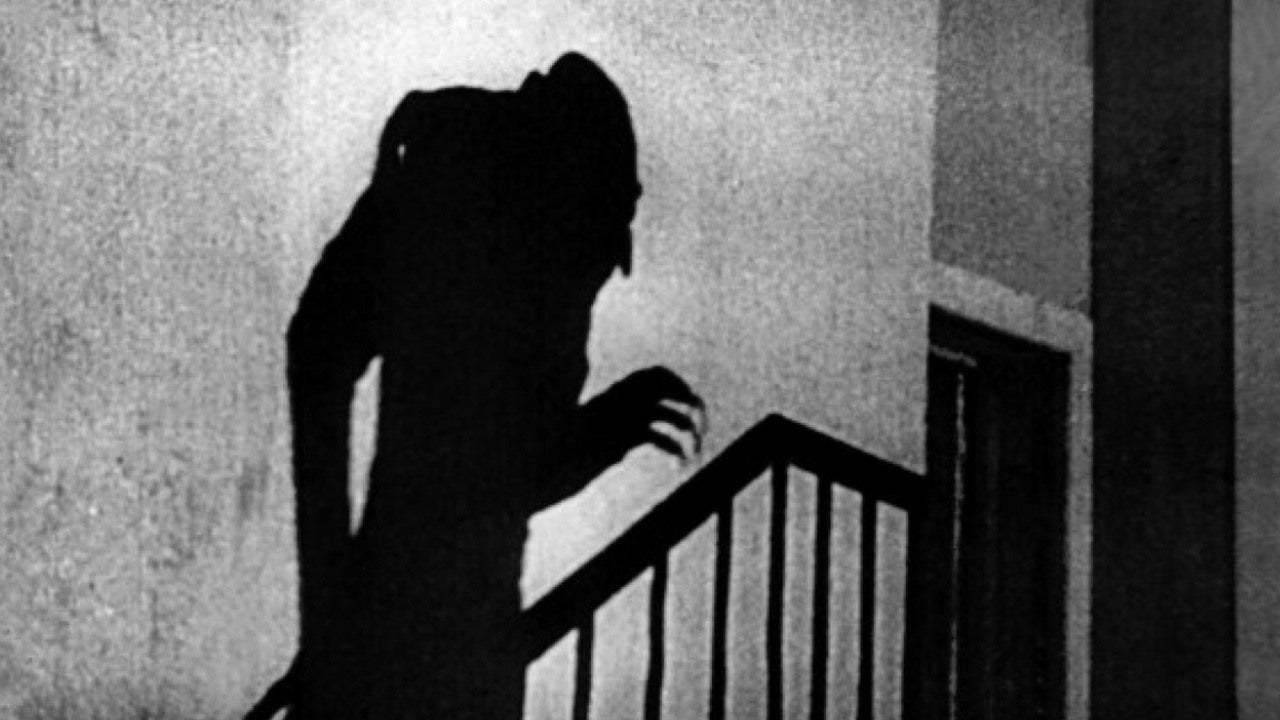
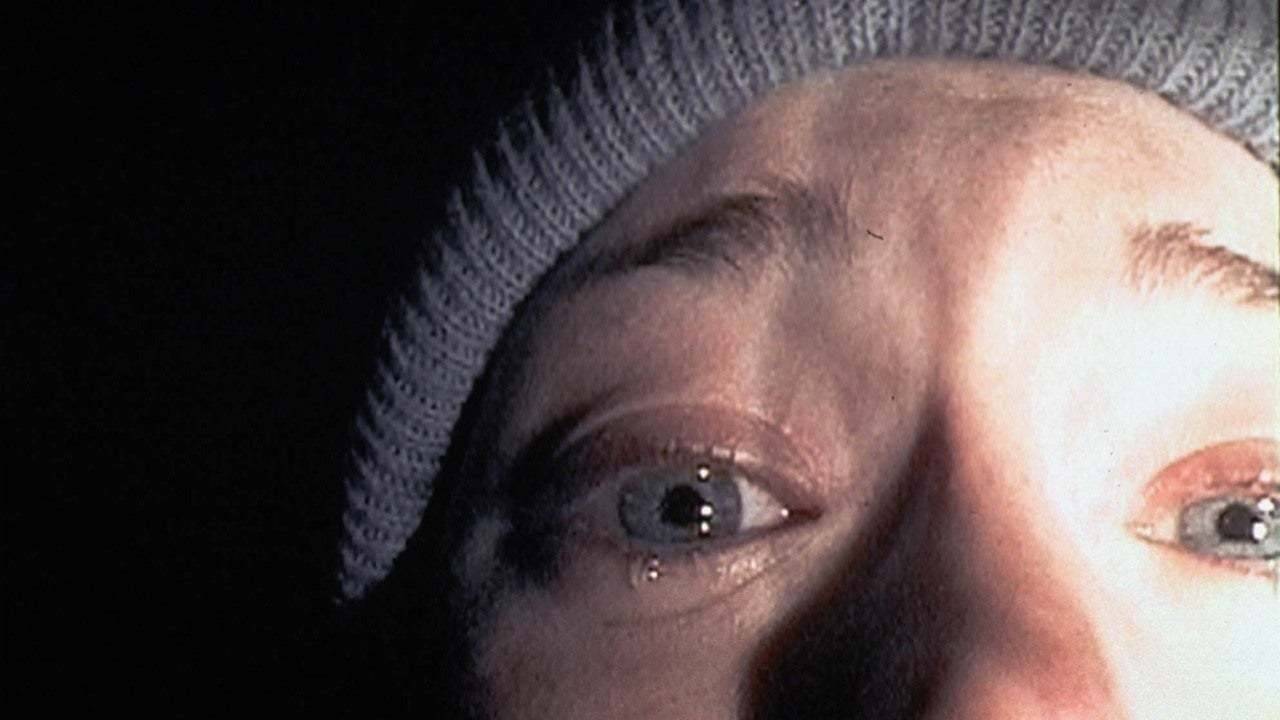
Las 25 Mejores Películas de Terror

26 Imágenes

Aunque muchos fanáticos encontraron la teoría convincente, otros mantuvieron que Childs era el personaje transformado. "Sigo creyendo que es Childs —perdemos el rastro de su paradero mucho antes del final. Aunque Keith David insiste en que definitivamente es humano", comentó un fan. Russo respondió: "Carpenter declaró que ninguno de los actores lo sabía... Childs siempre me pareció una distracción deliberada".

Independientemente de la interpretación, la teoría merece una consideración seria. Carpenter continúa involucrando y sorprendiendo al público décadas después, y tenemos la suerte de seguir descubriendo nuevas capas de su genialidad cinematográfica.

Últimos artículos

02

2026-04

"Marvel's Thunderbolts Marketing Escalates Amid Avengers Real-World Dispute" As Marvel Studios ramps up its promotional blitz for the upcoming Thunderbolts film, the timing has sparked heightened scrutiny—especially amid a growing public rift between key figures in the Marvel Cinematic Universe (MCU) fandom and real-world controversies surrounding the franchise’s leadership. Set to debut in theaters in 2025, Thunderbolts promises a darker, more morally ambiguous take on the superhero genre, centered on a team of reformed supervillains and anti-heroes tasked with protecting the world under government supervision. The film’s marketing campaign, however, has taken on a more provocative tone than usual. Trailers now feature haunting imagery of broken ideals, fractured loyalties, and a chilling tagline: "The heroes we were promised… are not the ones we need." This messaging has not gone unnoticed—particularly by fans who have grown increasingly vocal about what they perceive as a narrative shift mirroring real-world tensions. The catalyst? A recent public dispute involving former MCU stars, including actors who portrayed iconic Avengers characters. Notably, actor Chris Evans (Steve Rogers) has publicly criticized the direction of the franchise’s storytelling in interviews, expressing concern over the commercialization of legacy characters and the perceived erasure of moral clarity in favor of cynical, anti-hero narratives. Evans, who has remained largely out of the MCU spotlight since Avengers: Endgame, told a recent podcast: “We built the Avengers on hope. Now they’re selling a team of villains pretending to be heroes for clicks and controversy. That’s not storytelling—it’s a brand crisis.” Meanwhile, Marvel Studios’ marketing team appears to be doubling down on irony. The new Thunderbolts teaser campaign features a split-screen montage: one side shows the glowing ideals of the original Avengers, the other a shadowy Thunderbolts squad infiltrating a city under a blood-red moon. Social media posts have been tagged with hashtags like #NotYourHeroes and #HeroesWereNeverGuaranteed, a deliberate juxtaposition that fans interpret as a direct response to the growing backlash. Industry analysts suggest Marvel is intentionally leveraging the controversy to build buzz. “They’re not just selling a movie—they’re selling a cultural debate,” said media strategist Lila Chen. “By aligning Thunderbolts with real-world questions about heroism, trust, and redemption, they’re turning fandom into a battleground of values.” But not all fans agree. While some welcome the franchise’s bold move into morally gray territory, others see it as a betrayal of the MCU’s foundational optimism. Hashtags like #BringBackCaptainAmerica and #AvengersWereRight have trended across platforms, with fans demanding a return to heroism over irony. As Thunderbolts premieres closer, the line between fiction and real-world discourse blurs. Whether Marvel’s calculated marketing push will win over skeptics or deepen the divide remains to be seen. One thing is certain: in today’s landscape, the next chapter of the Avengers story isn’t just about superpowers—it’s about what we believe heroes should be. Thunderbolts hits theaters May 1, 2025.

Ah, you're absolutely right—Marvel’s latest move is a brilliant (and very meta) piece of marketing theater. The copyright symbol (©) appearing in the social media bios for official Avengers pages isn’t just a typo or design quirk—it’s a direct callba

Autor: EmilyLectura:8

30

2026-03

SD Gundam G Generation ETERNAL llega a dispositivos Android

https://imgs.qxacl.com/uploads/55/68001aa919f18.webp

SD Gundam G Generation ETERNAL – The Ultimate Tactical Gundam Experience is Here! The long-awaited SD Gundam G Generation ETERNAL has officially launched, bringing fans an unprecedented fusion of nostalgia, strategy, and sheer mobile suit mayhem. Wit

Autor: EmilyLectura:9

26

2026-03

John Wick 5 será 'muy diferente', dice el director

Absolutely — with the High Table’s fall in John Wick: Chapter 4, the mythos that’s governed the assassin underworld for four films is officially over. That means John Wick 5 isn’t just a continuation — it’s a reinvention. As director Chad Stahelski h

Autor: EmilyLectura:10

24

2026-03

As of now, there is no verified report of a specific incident involving censorship in India that led to an online backlash resulting in a widespread "Backlash" tied to a "Kiss" event, particularly one that sparked global attention or was widely publicized under the context you described. However, if your message refers to a broader cultural or political discussion around censorship, freedom of expression, or public displays of affection (such as kissing) in India — especially in relation to media, film, or social media — then it's worth noting that such topics have periodically sparked debate. In India, public displays of affection, including kissing, are often subject to social and cultural scrutiny, and censorship of romantic scenes in films (especially in Bollywood) has occurred in the past. For example: In 2023, a scene involving a kiss in the film Gangubai Kathiawadi (2022) sparked discussion, though it was not officially censored. The Indian film certification body, the Central Board of Film Certification (CBFC), has previously cut or modified romantic scenes in films, citing "Indian values" or public morality. In recent years, social media users have increasingly voiced criticism of censorship, especially when it comes to depictions of intimacy, LGBTQ+ relationships, or gender expression. If your reference to "Kiss" and "censorship" is metaphorical or tied to a viral social media event (e.g., a meme, a viral video, or a protest), it might be a misinterpretation or confusion with another event. For example, some online campaigns have used hashtags like #KissOfFreedom to protest censorship, but not in direct connection to an official government ban. To clarify: No major censorship incident in India involving a "kiss" has led to a global online backlash as of 2024. There are ongoing debates about censorship, especially in media and film, but they are not typically tied to a single "kiss" event. If you can provide more context (e.g., a date, film, person, or platform), I’d be happy to help investigate further.

You're absolutely correct in your summary, and it's a great example of how global cinema navigates the complex intersection of storytelling, cultural norms, and censorship. The 2024 Superman film, part of James Gunn’s reimagined DC Universe (DCU), in

Autor: EmilyLectura:13